
- Home
- Products
- Consumable
- Capabilities
- Service
- Videos & News
- About
- Contact Us
Views: 0 Author: Site Editor Publish Time: 2026-06-24 Origin: Site


High-volume medical consumable manufacturing requires balancing strict regulatory compliance (ISO 13485/FDA) with operational efficiency and yield stability. Achieving this critical balance demands flawless execution. Precision at scale means eliminating variables that could compromise the integrity of diagnostics.
Shifting from manual or semi-automated processes to a fully integrated continuous system represents a significant capital investment. Facilities face intense pressure to eliminate contamination risks while handling varied tube formats. A poorly configured setup often results in massive batch rejections, directly impacting production schedules and compliance standing.
This guide breaks down the end-to-end manufacturing workflow, key equipment evaluation criteria, and facility compliance requirements. You will learn how to align machinery capabilities with stringent quality systems. Our breakdown helps production directors and investors structure a successful rollout, ensuring you scale operations confidently and meet global medical device standards.
Scalability in medical tube manufacturing depends on integrating precise dosing, vacuuming, and capping into a continuous, low-downtime workflow.
Regulatory approval (CE/FDA) dictates facility requirements, necessitating Class 100,000 cleanroom environments and rigorous IQ/OQ/PQ equipment validation.
Selecting an automatic blood collection tube assembly machine requires prioritizing rejection rates, multi-format adaptability, and vendor FAT/SAT (Factory/Site Acceptance Testing) protocols.
Entering the medical consumable sector requires an unflinching commitment to quality control. A well-planned blood collection tube production line acts as the central nervous system of your facility. It requires precise alignment between mechanical engineering, fluid dynamics, and sterile processing. Before specifying machinery, you must define the exact business problem you aim to solve.
Evaluate your immediate and long-term production goals. Are you expanding throughput to meet local clinical demand? Perhaps you want to reduce manual contamination risks by eliminating human intervention on the factory floor. Alternatively, you might be preparing to enter new regional markets with stringent compliance barriers. Each objective dramatically shifts your equipment requirements. A manufacturer seeking rapid expansion needs high-uptime machinery. A company entering highly regulated regions must prioritize data logging and traceability software over raw speed.
Production directors constantly face a critical trade-off between speed and adaptability. You must assess whether your facility benefits more from ultra-high-speed single-format lines or adaptable lines. Single-format systems churn out identical tubes at maximum velocity. Adaptable lines handle varied tube dimensions (e.g., 13x75mm vs. 16x100mm) and multiple additive types (EDTA, Serum, Heparin). Flexible lines require mechanical changeovers, which introduce downtime but allow you to fulfill diverse clinical orders.
Table 1: Single-Format vs. Multi-Format Line Comparison | |||
System Type | Primary Advantage | Ideal Use Case | Potential Drawback |
|---|---|---|---|
Single-Format High-Speed | Maximum continuous throughput | Producing millions of identical EDTA tubes | Unable to pivot easily to different tube sizes |
Multi-Format Adaptable | Broad product portfolio capability | Fulfilling mixed clinical orders (Serum, Heparin, PT) | Requires scheduled downtime for part changeovers |
You cannot negotiate global medical standards. A high-performance facility operates under the ISO 13485 quality management system. This standard ensures consistent design, development, and production of medical devices. Local regulatory frameworks also dictate strict traceability and sterility protocols. Every batch must carry an undeniable audit trail. If a clinical laboratory reports a vacuum failure, you must trace that exact tube back to its specific production run, machine operator, and raw material batch.
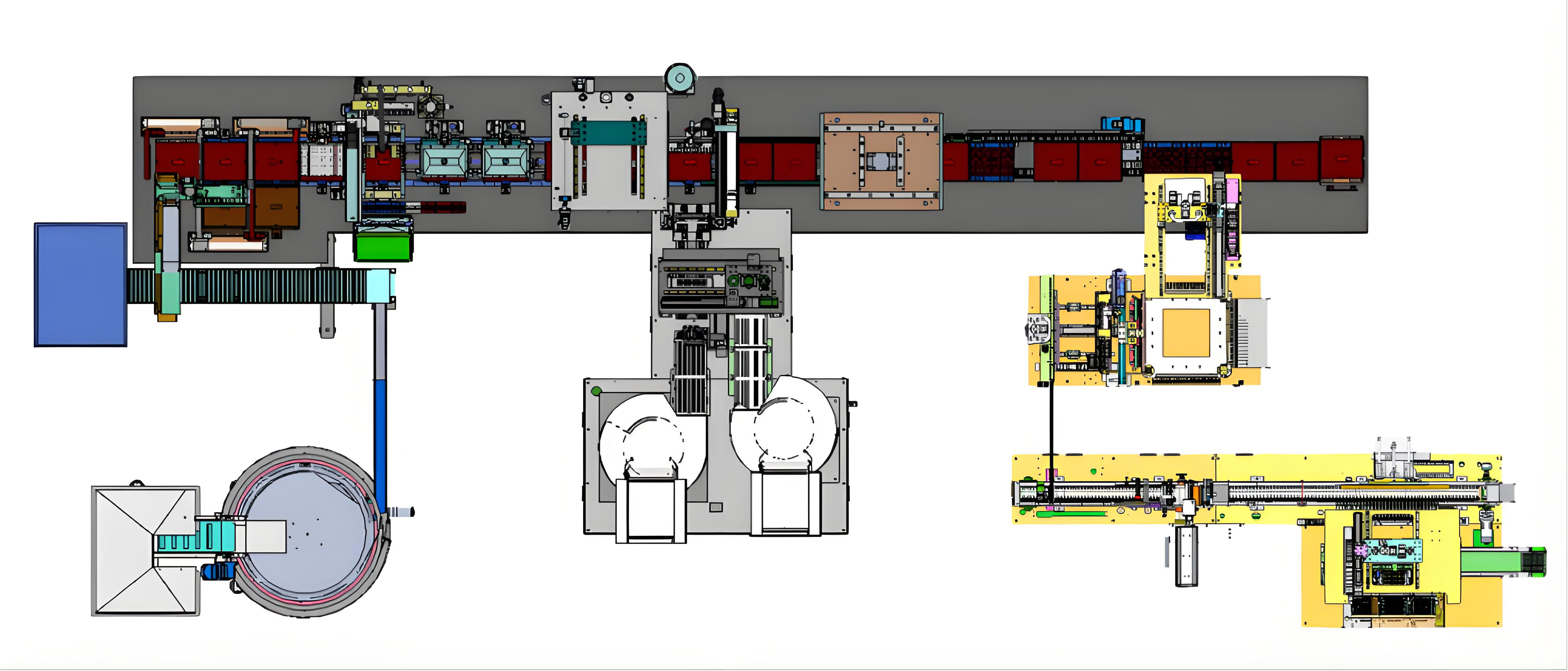
Modern manufacturing transforms raw materials into diagnostic-ready consumables through a synchronized sequence. Each stage must flow seamlessly into the next. Any bottleneck disrupts the entire output.
Step 1: Tube Loading and Preparation
The process begins with mechanical sorting and orientation of raw PET or glass tubes. Hoppers and vibratory bowls align the tubes precisely. They feed them onto the main conveyor without scuffing the optical clarity of the plastic or glass. During this phase, you integrate a blood collection tube UV printing machine. This equipment provides precise, high-contrast, and smudge-proof barcode labeling. Applying batch data directly onto the tube prior to filling ensures permanent traceability.
Step 2: Dosing and Additive Dispensing
Accuracy here dictates clinical viability. Liquid additives like EDTA and Citrate require atomized spraying. Dry additives require precise volumetric dosing. Deploying a specialized blood collection tube additives spraying machine ensures a uniform microscopic coating along the inner walls. This guarantees rapid blood-reagent mixing during clinical use. For serum separation, you utilize a blood collection tube gel filling machine. It inserts the thixotropic separator gel accurately without trapping air bubbles, which would otherwise compromise the centrifugal separation process.
Step 3: Drying and Processing
Liquid additives require immediate drying. The line moves the coated tubes through controlled heating tunnels. These tunnels dry the sprayed additives evenly. Proper temperature control ensures chemical stability and prevents premature reactions when blood enters the tube. Overheating degrades the reagent, while under-drying leads to coagulation failures.
Step 4: Assembly and Vacuuming
This stage merges the plastic cap and the rubber stopper. The mechanisms align them perfectly over the tube opening. Next, you operate a vacuum blood collection tube machine. It extracts air from the tube to reach a highly specific atmospheric pressure. This precise negative pressure dictates the exact blood draw volume. Immediately following the vacuum draw, heavy-duty press stations hermetically seal the rubber stopper, locking in the vacuum.
Step 5: Quality Control and Packaging
Final inspection relies on high-speed camera systems. Automated visual inspection checks the fill levels, gel positioning, and cap integrity. Any tube failing these optical parameters gets automatically ejected from the line. The approved tubes move to heat shrinking and final tray packaging, ready for sterilization and distribution.
Procuring an automatic blood collection tube assembly machine involves looking past glossy brochures. You must evaluate how specific mechanical features translate directly to production outcomes.
Feature: Servo-driven synchronous mechanics.
Outcome: Servos offer immense precision compared to traditional pneumatics. They reduce mechanical friction. You experience lower maintenance downtime and achieve much higher yield consistency across large batches.
Feature: HMI (Human-Machine Interface) with real-time SCADA integration.
Outcome: This system provides comprehensive data logging. It creates secure audit trails required by regulatory bodies and offers immediate error diagnostics for operators.
Feature: Ultrasonic dosing nozzles.
Outcome: Eliminates reagent splashing on the upper tube walls. This prevents stopper contamination and subsequent vacuum leakage.
Consider your facility's growth trajectory. An excellent system offers modular design. You must assess whether the machinery allows for future module additions. Upgrading your capacity from 6,000 pieces per hour to 12,000 pieces per hour should not require a complete line replacement. Modular equipment allows you to snap in additional dosing stations or capping lanes as market demand increases.
Look beyond the marketed maximum speeds. True production efficiency lies in continuous operation. Request verifiable data on Overall Equipment Effectiveness (OEE). High OEE means the machine runs predictably without micro-stoppages. Ask the vendor about typical rejection rates; top-tier equipment should maintain rejection rates well below 0.1%. Furthermore, investigate the origins of critical components. Ensure the pneumatics, PLCs, and servo motors come from globally recognized automation brands. This guarantees you can source replacement parts locally.
Best Practice: Standardize your raw materials before testing new equipment. Use a single, reliable supplier for PET tubes during the initial setup. This reduces variables when calibrating the dosing and capping stations.
Common Mistake: Ignoring static electricity. Plastic PET tubes generate massive static charges on fast-moving conveyors. If you fail to install static eliminators, dust particles will cling to the inner walls, and additive sprays will coat unevenly.
Installing complex machinery requires an equally sophisticated environment. Medical device manufacturing tolerates zero environmental variance.
You cannot assemble sterile consumables in a standard warehouse. You must understand the extensive HVAC, HEPA filtration, and layout requirements for a Class 100,000 (ISO 8) cleanroom environment. This controlled atmosphere prevents particulate contamination during the critical open-tube assembly phases. The air must undergo rigorous changes per hour (ACPH) to sweep away dust and micro-particles generated by moving machinery and human operators. Positive pressure configurations ensure that when doors open, clean air rushes out, preventing dirty air from entering the production zone.
Regulatory bodies demand proof that your equipment performs safely and consistently. You must execute rigorous validation phases before commercial production begins. Skipping these steps guarantees regulatory failure.
Chart 1: The Equipment Validation Framework | ||
Validation Phase | Definition | Primary Action Required |
|---|---|---|
IQ (Installation Qualification) | Verifies the equipment is installed correctly. | Check wiring, utility connections, and layout against manufacturer schematics. |
OQ (Operational Qualification) | Verifies the equipment operates within established limits. | Run empty cycles. Test alarms, safety stops, and extreme speed limits. |
PQ (Performance Qualification) | Verifies the process produces acceptable products consistently. | Run full production batches with actual raw materials and inspect output quality. |
Machinery operates based on strict physical tolerances. You must acknowledge the risk of raw material variance. Inconsistencies in PET tube dimensions, subtle changes in rubber stopper durometer, or variations in gel viscosity severely impact machine calibration. A stopper that is a fraction of a millimeter too wide will jam the capping press. A gel that becomes too thin due to warehouse temperature fluctuations will splatter during injection. Establish tight quality agreements with your raw material suppliers to maintain machine efficiency.
Selecting the right equipment partner dictates your operational success for the next decade. Treat the procurement process as a strategic partnership rather than a simple transaction.
Prioritize vendors who offer complete turnkey solutions. They must demonstrate documented experience navigating international medical device regulations. Ask for case studies showing successful installations in regions with strict compliance frameworks. A vendor who understands ISO 13485 will design their software to export data in compliant formats automatically.
Never accept delivery based on a generic video demonstration. Insist on comprehensive Factory Acceptance Testing (FAT). Send your specific raw materials—your exact tubes, caps, and gels—to the vendor's facility. Watch the machine run your materials at full speed. This exposes mechanical incompatibilities before the machine leaves the factory. Follow this with strict Site Acceptance Testing (SAT) once the machine arrives at your cleanroom. The SAT ensures the equipment survived shipping and integrates perfectly with your local utilities. Mandate thorough operator training during the SAT phase.
Even the best machines experience wear and tear. Assess the availability of local spare parts. Check if the vendor offers secure remote diagnostic capabilities. A technician should be able to log into your PLC remotely to troubleshoot software faults. Demand clear Service Level Agreements (SLAs) with guaranteed response times to mitigate catastrophic production halts.
Stop browsing brochures and start organizing your data. Document your exact capacity needs per shift. Determine your cleanroom status and outline your target additive types. Compile these details to formulate a highly precise Request for Quotation (RFQ). A detailed RFQ forces vendors to provide tailored engineering solutions rather than generic sales pitches.
Summary: Transitioning to a high-performance production line relies entirely on exact synchronization between printing, filling, vacuuming, and capping modules. You must eliminate bottlenecks to achieve scale.
Final Thought: Focusing solely on initial equipment setup without considering long-term reliability often limits growth. Focus heavily on validation readiness, sustained rejection rates, and exceptional vendor engineering support.
CTA: Contact our engineering team for a customized throughput analysis and equipment configuration consultation to jumpstart your facility upgrade.
A: A standard automated line generally requires between 150 to 250 square meters of dedicated floor space. This footprint accommodates the primary machinery, conveyor buffers, and essential operational clearance. You must also account for adjacent cleanroom spaces, gowning areas, and raw material staging zones, which can double the total facility footprint required.
A: Yes, many advanced machines handle both glass and PET tubes. However, transitioning between materials requires specific changeover parts. Operators must swap out tube gripping mechanisms and adjust torque settings on the capping station. Glass tubes require gentler handling to prevent micro-fractures, meaning the machine's software profiles must be adjusted during the changeover.
A: Accuracy depends on precise vacuum chamber calibration. The machine places the tube inside an enclosed chamber, and a high-performance vacuum pump extracts the air. Sensors monitor the negative pressure until it reaches the exact setpoint corresponding to the target draw volume (e.g., 4ml). The press mechanism instantly drives the rubber stopper into the tube, sealing it hermetically.
A: The standard timeline ranges from 3 to 6 months. This encompasses custom engineering, machinery fabrication, and internal quality checks. The process involves a Factory Acceptance Test (FAT) prior to shipping. Once delivered, installation, Site Acceptance Testing (SAT), and comprehensive operator training typically add another 3 to 4 weeks to the timeline.


