
- Home
- Products
- Consumable
- Capabilities
- Service
- Videos & News
- About
- Contact Us
Views: 0 Author: Site Editor Publish Time: 2026-02-28 Origin: Site


Improvement Type | Description |
|---|---|
Efficiency | Less unplanned downtime happens because of predictive analytics. Maintenance schedules are better planned. |
Cost Control | Companies spend less money by automating compliance work. |
Compliance | Documentation and reporting are better. This helps companies follow FDA and Joint Commission rules. |
Medical automated production lines make manufacturing faster. Companies can make more devices in less time. They do not need to hire more workers to do this.
Robotics help stop mistakes made by people. This keeps the quality the same every time. It also helps companies follow strict rules like FDA standards.
Automation lets companies spend less money on workers. It also helps fix machines before they break, so work does not stop.
Flexible automation lets factories switch to new products fast. This helps them meet new needs without waiting.
Digital traceability and automated paperwork make following rules easier. Audits are simpler, and companies are less likely to get fined.
Automated production lines make medical device manufacturing much faster. Automation moves products through each step quickly. For example, an automated medical tube assembly machine can make 240 parts in one hour. This lets companies make more products when needed. During the COVID-19 pandemic, one company made three times more devices by using automation. There is no need to wait for slow hand assembly or manual checks. Automated validation can cut certification time in half. This helps new devices reach the market faster.
Robotics help speed up production a lot. Robots do not get tired. They keep machines working longer and help meet deadlines. These systems can handle big jumps in demand. Advanced robotics and cleanroom robotics keep production steady and accurate. Human mistakes do not slow things down. Robotic automation helps companies make high-quality medical devices.
Tip: Automated production lines let you make more products fast. You do not need to hire more workers or worry about mistakes.
Automation saves money in manufacturing. Automated lines do boring jobs, so fewer workers are needed for assembly or inspection. This helps with worker shortages. Skilled workers can do important jobs like checking quality or fixing problems. Their jobs also become safer and more interesting.
Here are some ways automation helps with labor and downtime:
Automation lets factories make more products faster.
It lowers labor costs by using robots instead of people.
Downtime is less because AI and automation know when machines need fixing.
Companies can use their workers better instead of always hiring new people.
Workers move to safer and more important jobs.
Factory automation changes how companies spend money. As automation goes up, labor costs go down. Equipment costs become more important. The table below shows how this works:
Automation Level | Equipment Investment | Implementation Timeline | Annual Unit Support | Key Considerations |
|---|---|---|---|---|
Selective Automation | $200,000 - $500,000 | 6 - 9 months | 10,000 - 50,000 | Balancing over and under automation to keep quality and save money. |
Full Automation | $2,000,000 - $5,000,000 | 18 - 24 months | 50,000+ | Needs full automated lines and inline quality checks. |
Cost Structure Changes | N/A | N/A | N/A | Labor costs drop while equipment costs matter more as volume grows. |
You can see your savings by looking at labor costs and how much more you make. For example, if you buy a $150,000 robot that works three shifts, and labor costs drop from $300,000 to $75,000, you save $225,000. You get your money back in about two years. You also get better accuracy, fewer recalls, and happier workers.
Robotics and automation help companies use resources better. AI helps plan repairs before machines break. This stops costly shutdowns. Automated assembly lines keep production moving and help companies reach their goals. Robotic-assisted manufacturing makes sure devices are high quality every time.
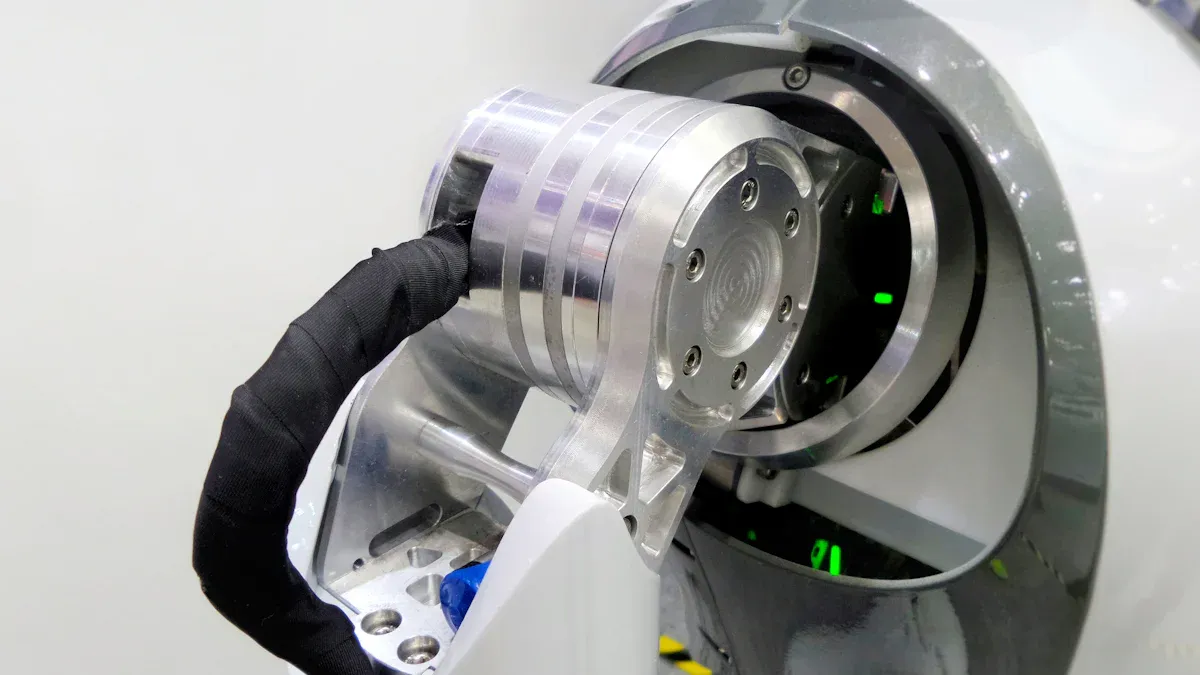
Every medical device should work the right way. Automation helps make this possible. When you use robotics, you get the same results each time. This means your products are always the same. Robots do not get tired or lose focus. They follow steps carefully and do not make mistakes like people can.
Automation brings better quality control to factories. A manufacturing execution system helps keep rules in place. It checks every step and keeps your standards high. This system also keeps records for compliance. You always know how your production is going. The table below shows some benefits:
Metric | Description |
|---|---|
First Pass Yield | Shows how many products pass through manufacturing without needing rework. |
Process Cycle Efficiency | Measures how well you use time and resources in the production process. |
Quality Management Systems | Adds quality controls to every step, making sure you get consistent product quality. |
Note: When you use the same process every time, you can get FDA approval faster and with less worry.
Robotics can help lower human error. Robots do not skip steps or make mistakes from being tired. Your devices meet strict rules every time. Automation also helps you track each product for safety and compliance.
Here are ways automation helps with quality and compliance:
Automation makes production more the same and lowers mistakes.
Consistent work helps your devices meet FDA and ISO 13485 rules.
Automated tracking lets you find every device for safety and recalls.
AI and robotics can watch your production lines all the time. These systems find problems right away. Deep learning models look at data as it happens. If something is wrong, you get an alert. You can fix problems before they get big. This keeps your factory running well and keeps your company’s good name.
Machine vision is another tool for quality control. AI-powered cameras check every device for small problems. They see things people might miss, like tiny scratches or shape issues. Companies like Medtronic and Stryker use these systems to make sure products are safe and work well. Machine vision also checks packaging to keep devices clean.
Here is how real-time monitoring and robotics help:
AI finds small problems and catches mistakes early.
Machine vision checks surface finish and size very well.
QR codes and RFID tags give you live data on your equipment.
Predictive maintenance stops breakdowns before they happen.
Evidence Description | Key Points |
|---|---|
Deep Learning Models | Analyze real-time data to detect faults and send alerts. |
QR Codes and RFID Tags | Give technicians real-time updates on equipment condition. |
Predictive Maintenance | Reduces downtime and keeps your production process reliable. |
Tip: Automation and robotics with high precision give you better quality control and help you avoid expensive recalls.
You can trust automation to give you the accuracy you need. When you use robotics and AI, you get better quality control and the same results every time. Your products meet strict rules, and your customers stay safe.
It is important to keep up with new medical products. Automation helps you switch between devices very fast. Many medical parts need to be made in special ways. This means factories often make small batches of many different things. Robotics help you change from one product to another quickly. For example, FANUC robots can remember many programs for different products. You can pick a new program by pressing a button. Changing tools by hand can take less than ten minutes. This speed helps you meet new needs fast.
One automated line can make many types of products.
Robotics make it simple to change for new designs or sizes.
Quick changeovers mean less waiting and more products made.
Flexible automation helps you react to market changes. If people want something new, you can change your line fast. This keeps your business ready for new chances.
Robotics let you make custom medical devices in large amounts. Automation helps you make special items, like insulin pens or surgical tools, with great care. SCARA and six-axis robots can do detailed work. These robots are fast and keep everything clean.
Example | Description |
|---|---|
Insulin Pens | Automation makes sure each pen is made just right. |
Diagnostic Test Kits | Making kits the same way every time is faster and more accurate. |
Surgical Tools | Robots check for germs and make sure tools are good quality. |
The Symphoni™ platform shows how automation can make lots of parts. It can make up to 320 parts every minute. It also means you do not need as many tools and you can track every part. This helps you follow rules and keep patients safe.
Flexible automation helps with precision medicine. You can make devices that fit each patient. This gives better results and helps you stay ahead in the medical device world.
You must keep good records to follow rules. Automated production lines help you make documents fast and correct. You do not need to spend a long time writing reports or looking for lost papers. Automation lets you check device setups and see if they meet standards right away. You get reports in real time, so you can keep up with new rules.
Automated systems can cut down on manual work by 40%.
AI makes documents faster and with fewer errors.
You can finish Standard Operating Procedures 20-30% faster.
Automated approval steps help you not miss anything important.
Audits are easier because you find what you need quickly.
The table below shows how automated workflows help with audits:
Evidence Description | Benefit to Regulatory Audits |
|---|---|
Automated workflows for document approvals | You finish tasks on time and stay ready for inspections. |
Electronic log of document interactions | You get clear records for audit trails. |
Easy access to audit trails and document versions | You answer audit questions quickly and with confidence. |
Tip: Automation makes audits less stressful and keeps your company safe from fines.
You need to track every device from start to end. Automated production lines and robotics help you do this with digital tools. For example, you use a Unique Device Identifier to label each device. This code helps you follow the device through its whole life. You can also use a traceability matrix to match rules and tests, making sure you meet all the rules.
Example Type | Description |
|---|---|
Unique Device Identifier | A special code for each device, used for tracking and recalls. |
Traceability Matrix | A tool that links requirements to tests for full compliance. |
Automated Solutions | Systems that track, reorder, and label devices to reduce mistakes. |
Digital recordkeeping helps you meet FDA and EU MDR rules. You get better data and faster checks for compliance. Good records also make it easy to show you followed every step. Automated systems keep your data safe with secure access and backup plans. You can trust your records are safe and ready for any inspection.
Note: Using automation and robotics for traceability keeps your devices safe and your company ready for any audit.
You can see how automated production lines change the medical device industry in 2026.
In 2026, AI will make old tools work better in factories. It helps with real-time machine checks and fixing problems before they get big. This means machines run smoother and can handle surprises.
New ideas bring better ways to make things and smarter machines.
Automated quality checks and clean room robots help keep products safe.
AI helps manage supplies so you can react to market changes.
You can start by gathering data from your machines and using EBR apps. These steps help you stay ahead and follow rules as automation grows.
Machines and robots help make medical devices with less human work. These lines move products from one step to another. You get faster results and better quality.
Automation makes records for each step. You can show proof during audits. It is easier to meet FDA and EU MDR rules.
Yes, you can. Flexible robots let you change products quickly. You can make small batches or custom items without slowing down your line.
No, people are still needed. Workers do important jobs like checking quality or fixing machines. Automation does boring or risky tasks.


