
- Home
- Products
- Consumable
- Capabilities
- Service
- Videos & News
- About
- Contact Us
Views: 0 Author: Site Editor Publish Time: 2025-10-27 Origin: Site


Have you ever wondered what keeps healthcare running smoothly? Medical consumables play a vital role in patient care. These essential items ensure safety and effectiveness in treatments.
In this post, we’ll explore what medical consumables are and their importance in healthcare. You’ll learn how they support providers in delivering high-quality care.
Medical consumables are essential items used in healthcare settings. They include a wide range of products necessary for patient care, from syringes to surgical gloves. These items are designed for single use or limited reusability, ensuring they maintain high safety standards.
In simple terms, medical consumables refer to any disposable products used to support medical procedures. Their importance cannot be overstated. They help prevent infections, ensure accurate diagnostics, and facilitate effective treatments. Without them, healthcare would struggle to maintain safety and efficiency.
Medical consumables play a crucial role in various medical environments. Here are some key functions:
● Support Diagnostic Procedures: Items like blood collection devices are vital for accurate tests.
● Facilitate Treatments: Infusion pumps and IV cannulas are essential for delivering medications.
● Enhance Safety: Suction catheters help clear airways, ensuring patient safety during procedures.
Safety is a primary concern in healthcare. Medical consumables are designed to minimize risks. For instance, using sterile equipment reduces the chance of infections. This focus on safety ensures that treatments are effective and reliable.
Healthcare providers rely on medical consumables to perform their jobs effectively. These items streamline processes, allowing professionals to focus on patient care. By using high-quality consumables, providers can enhance the overall patient experience.
1. Blood Collection Devices: Used for drawing blood samples safely.
2. Suction Catheters: Clear airways during emergencies.
3. Infusion Pumps: Deliver medications accurately and safely.
4. IV Cannulas: Provide access for fluids and medications.
By understanding the role of medical consumables, we can appreciate their impact on healthcare. They are not just products; they are vital components of patient care.
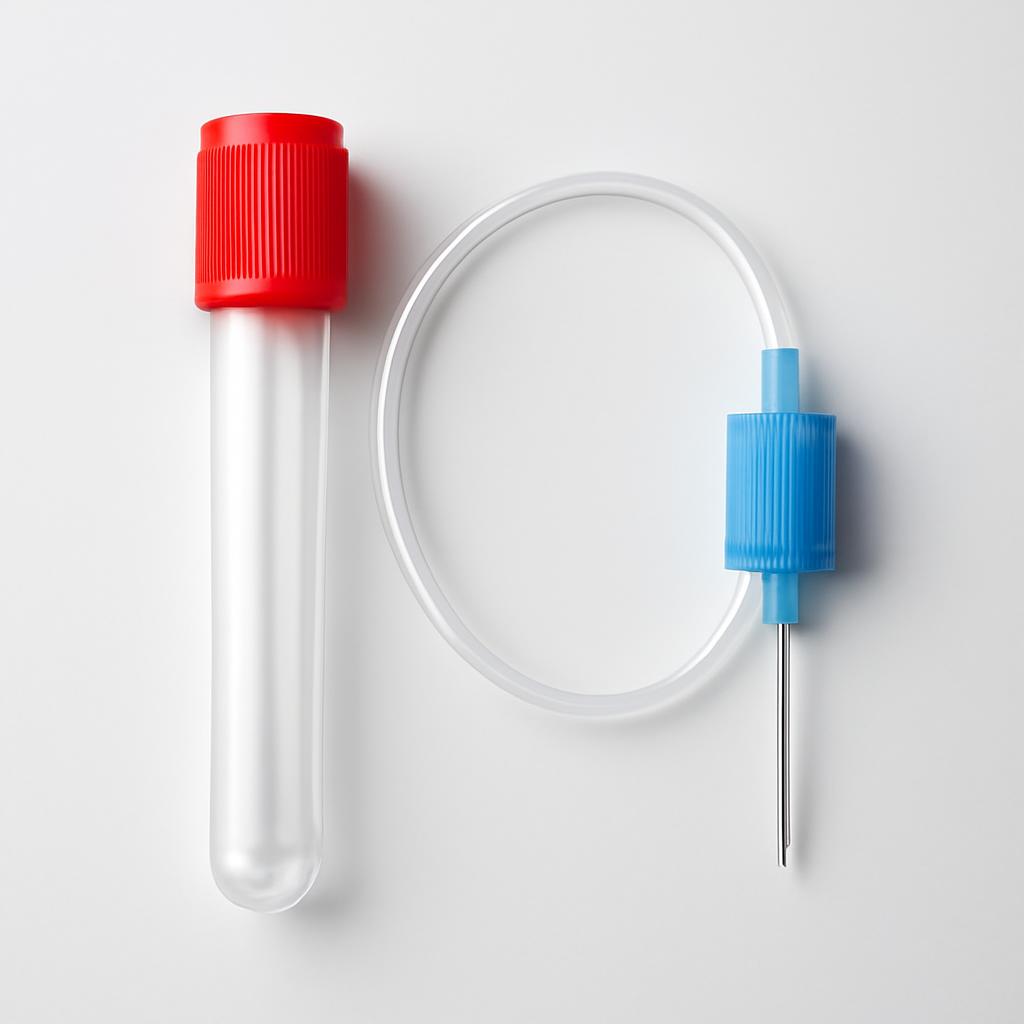
Medical consumables are items used in healthcare settings that are either single-use or have a limited lifespan. They are designed to ensure safety, efficiency, and hygiene. Here are some key characteristics:
● Disposable Nature: Most consumables are intended for one-time use.
● Sterility: Many are sterilized to prevent infections.
● Variety of Applications: Used across various medical procedures and settings.
Medical consumables can be grouped into several categories. Each type serves a specific purpose in patient care. Here’s a breakdown:
Surgical instruments are tools used during operations. They include:
● Scalpels: For making incisions.
● Scissors: For cutting tissues.
● Forceps: For grasping or holding tissues.
These instruments are often made from stainless steel or other durable materials, but many are also designed for single use to ensure sterility.
Diagnostic tools help healthcare professionals assess patient conditions. Examples include:
● Blood Collection Devices: Used to draw blood for testing.
● Urine Collection Kits: For collecting urine samples.
● Diagnostic Swabs: For testing infections.
These tools are crucial for accurate diagnosis and treatment planning.
Infusion devices deliver fluids, medications, or nutrients directly into a patient's bloodstream. Key types are:
● Infusion Pumps: Control the flow rate of fluids.
● IV Cannulas: Provide access for intravenous therapy.
● Syringe Pumps: Deliver precise amounts of medication.
These devices enhance treatment accuracy and patient safety.
PPE is essential for protecting healthcare workers and patients. Common items include:
● Gloves: Prevent contamination during procedures.
● Masks: Protect against airborne pathogens.
● Gowns: Shield clothing from biological hazards.
PPE is vital for maintaining hygiene and safety in healthcare environments.
Category | Examples | Purpose |
Surgical Instruments | Scalpels, Scissors | Used in surgical procedures |
Diagnostic Tools | Blood Collection Devices | Aid in diagnosis |
Infusion Devices | Infusion Pumps, IV Cannulas | Deliver medications and fluids |
Personal Protective Equipment | Gloves, Masks, Gowns | Protect against contamination |
Understanding these categories helps clarify the role of medical consumables in healthcare. They are indispensable tools that enhance patient care and ensure safety in various medical procedures.
What are Blood Collection Devices?
Blood collection devices are essential tools used to obtain blood samples from patients. These samples are crucial for various diagnostic tests and monitoring health conditions.
Types of Blood Collection Devices
There are several types of blood collection devices, including:
● Blood Collection Tubes: Used to store blood samples for testing.
● Needles: Different gauges are available for various procedures.
Importance in Diagnostics and Patient Monitoring
These devices play a significant role in diagnostics. Accurate blood samples help healthcare providers make informed decisions about treatment. Regular monitoring can detect changes in a patient's condition early.
Core Advantages of Blood Collection Devices
● Efficiency: Quick and straightforward blood collection.
● Safety: Designed to minimize the risk of contamination.
● Versatility: Suitable for various diagnostic tests.
Quality and Compliance with Safety Standards
Blood collection devices must comply with strict safety standards. This ensures they are safe for both patients and healthcare workers.
Customization Options for Different Clinical Needs
Many manufacturers offer customizable options. This flexibility allows healthcare providers to choose devices that meet specific clinical requirements.
Definition and Purpose of Suction Catheters
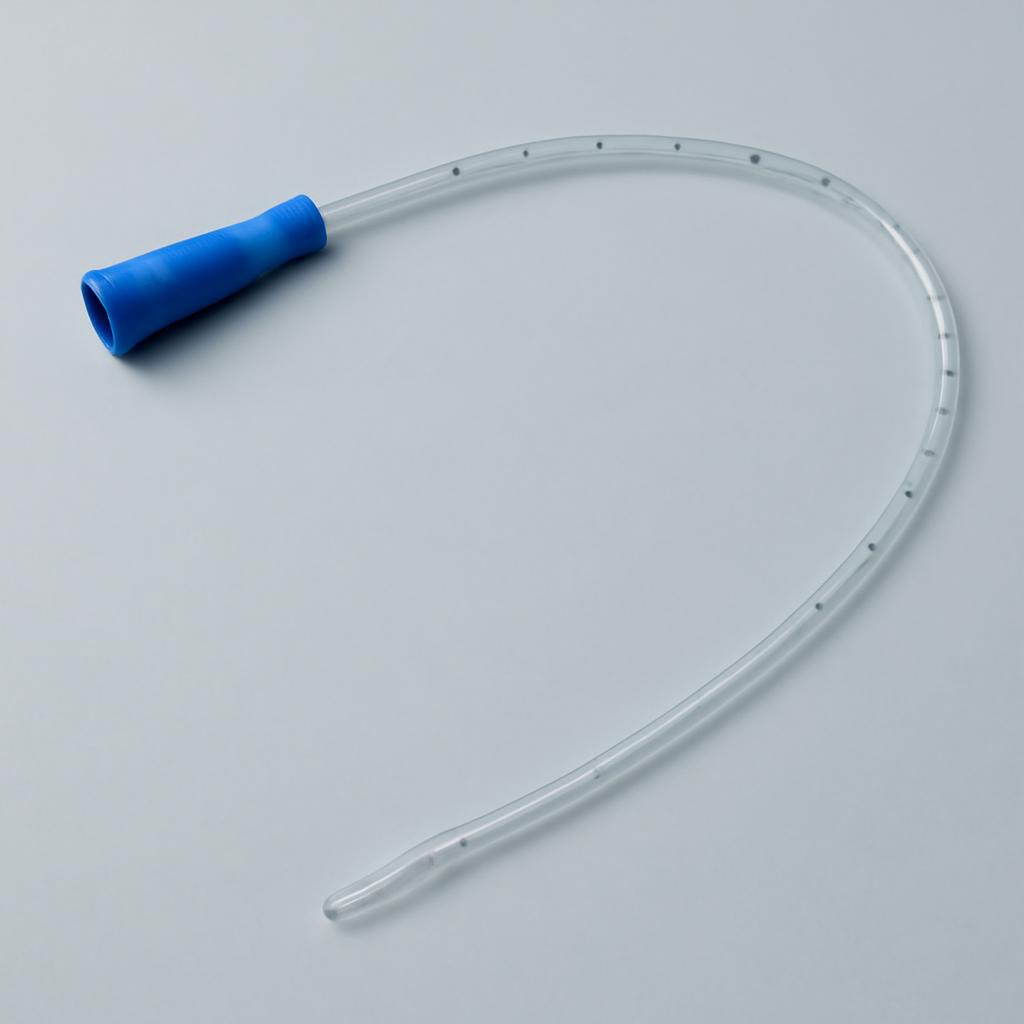
Suction catheters are tubes used to remove mucus and other secretions from a patient's airway. They are vital in emergency situations and for patients with respiratory issues.
Different Types and Their Specific Uses
There are several types of suction catheters, including:
● Flexible Catheters: Used for tracheal suctioning.
● Yankauer Suction Tips: Ideal for oral suctioning.
How Suction Catheters Enhance Patient Care
These devices help maintain clear airways, improving oxygen delivery to patients. They are especially important in critical care settings.
Design Features That Improve Safety and Effectiveness
Many suction catheters have features like:
● Soft, rounded tips: Minimize trauma to delicate tissues.
● Graduated markings: Allow precise depth measurement during use.
What is an Infusion Pump?
An infusion pump is a medical device used to deliver fluids, medications, or nutrients directly into a patient's bloodstream. They are crucial for precise medication administration.
Types of Infusion Pumps
Infusion pumps come in various types, including:
● Syringe Pumps: Deliver small volumes of medication.
● Volumetric Pumps: Provide larger volumes at controlled rates.
Role of Infusion Pumps in Medication Administration
These pumps ensure that patients receive the correct dosage of medication over a specified time. This accuracy is vital for effective treatment.
Potential Safety Features of Infusion Pumps
Many infusion pumps include safety features such as:
● Bubble Detection: Alerts when air bubbles are present.
● Blockage Alarms: Notifies staff of any flow interruptions.
Overview of IV Cannulas and Their Functions
IV cannulas are thin tubes inserted into a vein to deliver fluids, medications, or blood products. They are essential for patient treatment in various medical settings.
Types of IV Cannulas
There are different types of IV cannulas, including:
● Peripheral Cannulas: Inserted into small veins, typically in the arm.
● Central Venous Catheters: Inserted into larger veins for long-term access.
Importance of IV Cannulas in Patient Treatment
IV cannulas allow for immediate access to the bloodstream. This is crucial for administering medications quickly, especially in emergencies.
Advantages of IV Cannulas
● Reduced Pain: Smaller gauge sizes can lead to less discomfort.
● Improved Patient Comfort: More flexible designs enhance comfort during use.
● Enhanced Operational Efficiency for Healthcare Providers: Quick access allows for faster treatment.
Consumable Type | Key Features | Importance |
Blood Collection Devices | Tubes, needles | Essential for diagnostics |
Suction Catheters | Flexible, Yankauer | Maintain clear airways |
Infusion Pumps | Syringe, volumetric | Precise medication administration |
IV Cannulas | Peripheral, central | Immediate access for treatment |
These key medical consumables are integral to effective healthcare delivery. They ensure safety, efficiency, and improved patient outcomes across various medical settings.
Medical consumables are designed to prioritize patient safety at every stage of their use. This includes everything from the materials used to the final application in clinical settings.
● Single-Use Design: Many consumables are made for one-time use, significantly reducing the risk of cross-contamination.
● User-Friendly Features: Devices often include safety mechanisms that prevent accidental injuries.
Infection control is a critical aspect of patient safety. Medical consumables contribute in several ways:
● Sterile Packaging: Most consumables come in sterile packaging to prevent contamination before use.
● Antimicrobial Properties: Some products are treated with antimicrobial agents to inhibit bacterial growth.
These measures are essential for maintaining a safe healthcare environment.
Compliance is non-negotiable in healthcare. Medical consumables must adhere to strict regulations, including:
● FDA Regulations: In the U.S., the Food and Drug Administration oversees the safety and effectiveness of medical devices.
● European CE Marking: In Europe, consumables must meet specific criteria to receive CE marking, indicating compliance with health, safety, and environmental protection standards.
Quality assurance is vital to ensure that medical consumables meet safety standards. Key measures include:
● Regular Testing: Products undergo rigorous testing for quality and safety before they reach the market.
● Traceability: Manufacturers maintain records for each batch, ensuring accountability and traceability.
These practices help guarantee that only safe products are used in patient care.
Manufacturers of medical consumables must comply with various standards and certifications, such as:
● ISO 13485: This standard outlines requirements for a quality management system specific to medical devices.
● ISO 14971: Focuses on the application of risk management to medical devices.
These certifications ensure that products are consistently produced and controlled according to quality standards.
Effective process control and sterilization techniques are crucial for ensuring the safety of medical consumables. Key practices include:
● Validation of Sterilization Processes: Manufacturers must validate their sterilization methods to ensure efficacy.
● Environmental Controls: Cleanroom environments are essential during manufacturing to prevent contamination.
These techniques are fundamental to producing safe and effective medical consumables.
Safety Measure | Description | Importance |
Single-Use Design | Reduces cross-contamination | Enhances patient safety |
Sterile Packaging | Prevents contamination before use | Essential for infection control |
Compliance with Regulations | Adheres to FDA and CE standards | Ensures safety and effectiveness |
Quality Assurance Measures | Regular testing and traceability | Guarantees product reliability |
Manufacturing Standards | ISO certifications ensure quality control | Maintains high production standards |
Process Control Techniques | Validated sterilization and cleanroom practices | Critical for safety and efficacy |
These safety and compliance measures are integral to the effectiveness of medical consumables in healthcare settings. They ensure that patients receive the highest standard of care.
Medical consumables play a significant role in influencing healthcare costs. Their efficient use can lead to substantial savings for healthcare providers. Here’s how:
● Reduced Waste: Single-use devices minimize waste and lower disposal costs.
● Streamlined Processes: Efficient consumables can speed up procedures, reducing labor costs.
These factors contribute to overall cost savings while maintaining quality care.
When evaluating medical consumables, it's essential to consider the balance between cost and benefit. Some key points include:
● Initial Costs vs Long-Term Savings: While some consumables may have a higher upfront cost, their efficiency can lead to long-term savings.
● Impact on Patient Outcomes: Investing in high-quality consumables can improve patient outcomes, which ultimately reduces costs associated with complications.
Consumable Type | Initial Cost | Long-Term Benefit | Patient Outcome Impact |
Blood Collection Device | Moderate | High | Improved diagnostics |
Suction Catheter | Low | Moderate | Enhanced airway safety |
Infusion Pump | High | Very High | Better medication control |
IV Cannula | Low | High | Faster treatment |
Some medical consumables stand out for their cost-effectiveness:
● Suction Catheters: Affordable and essential for respiratory care, they help prevent complications.
● Blood Collection Devices: Their efficiency in obtaining samples leads to quicker diagnosis, saving time and resources.
These examples illustrate how investing in effective consumables can lead to better financial outcomes.
Automation is transforming the production of medical consumables, enhancing both quality and efficiency. Here’s how:
● Increased Production Speed: Automated systems can produce consumables faster than manual methods.
● Consistency in Quality: Automation reduces human error, ensuring uniformity in product quality.
Automated production offers several advantages:
● Lower Labor Costs: Fewer workers are needed, reducing overall labor expenses.
● Enhanced Precision: Machines can perform tasks with greater accuracy, leading to fewer defects.
This shift towards automation is a game-changer for the industry.
Customization is key in today’s healthcare landscape. Here’s how manufacturers are adapting:
● Tailoring Solutions: Production lines can be customized to produce specific types of medical consumables based on clinical needs.
● Integration of Advanced Technologies: Incorporating AI and machine learning allows for smarter production processes.
These innovations ensure that medical consumables meet the specific demands of healthcare providers.
Aspect | Details |
Impact on Healthcare Costs | Reduced waste, streamlined processes |
Cost vs Benefit Analysis | Initial costs vs long-term savings, impact on outcomes |
Examples of Cost-Effective Consumables | Suction catheters, blood collection devices |
Role of Automation | Increased speed, consistency in quality |
Benefits of Automation | Lower labor costs, enhanced precision |
Customization | Tailored solutions, integration of advanced technologies |
These factors highlight the importance of cost-effectiveness and efficiency in the realm of medical consumables, benefiting both healthcare providers and patients.
The landscape of medical consumables is rapidly evolving, driven by technological advancements. Here are some key developments:
● Smart Medical Consumables: Innovations like RFID technology enable tracking of devices, enhancing inventory management and reducing losses.
● Eco-Friendly Options: Sustainable materials are becoming more prevalent, addressing environmental concerns while maintaining performance.
These advancements are reshaping how consumables are designed and used.
Recent innovations focus on improving the design and functionality of medical consumables:
● Enhanced Usability: New designs prioritize user-friendliness, making devices easier to handle for healthcare professionals.
● Safety Features: Many consumables now include safety mechanisms, such as retractable needles, to prevent accidental injuries.
Innovation Type | Description | Benefits |
Smart Technology | RFID tracking for inventory management | Reduces loss and improves efficiency |
Eco-Friendly Materials | Biodegradable or recyclable options | Minimizes environmental impact |
User-Centric Design | Ergonomic shapes and intuitive interfaces | Enhances usability and safety |
Technology is revolutionizing the application of medical consumables in healthcare settings. Key areas include:
● Integration of IoT in Healthcare: The Internet of Things (IoT) connects devices, allowing for seamless communication and data sharing.
● Real-Time Data Tracking: Advanced systems provide real-time monitoring of consumables, ensuring timely usage and reducing waste.
The integration of IoT and data management systems brings several benefits:
● Improved Efficiency: Automated tracking helps healthcare providers manage supplies more effectively.
● Enhanced Patient Care: Real-time data allows for better decision-making, improving patient outcomes.
These technologies are not just trends; they represent a shift towards smarter, more efficient healthcare solutions.
Technology Type | Key Features | Impact on Healthcare |
Smart Medical Consumables | RFID for tracking | Improved inventory management |
Eco-Friendly Options | Sustainable materials | Reduced environmental footprint |
IoT Integration | Connectivity and data sharing | Enhanced efficiency and patient care |
Real-Time Tracking | Monitoring and management systems | Better resource allocation |
These emerging technologies are paving the way for a more efficient and sustainable future in medical consumables.
The future of medical consumables looks promising, driven by technological advancements and evolving healthcare needs. Here are some key trends to watch:
● Increased Demand: As healthcare systems expand, the need for efficient medical consumables will grow.
● Technological Integration: Innovations like smart devices and IoT will play a crucial role in enhancing functionality.
Market analysts predict significant growth in the medical consumables sector. Key factors include:
● Rising Global Health Needs: The ongoing demand for better healthcare solutions will fuel innovation.
● Investment in R&D: Companies are expected to invest more in research and development, leading to breakthroughs in product design.
Trend | Expected Impact |
Demand for Efficiency | More focus on cost-effective solutions |
Smart Technology Adoption | Enhanced tracking and management capabilities |
Eco-Friendly Products | Increased availability of sustainable options |
Global health challenges, such as pandemics and chronic diseases, will shape the future of medical consumables:
● Rapid Response Needs: The need for quick, effective consumables during health crises will drive innovation.
● Focus on Preventive Care: There will be a shift towards products that support preventive health measures.
As the market evolves, regulatory frameworks may also change. Consider these factors:
● Evolving Standards: New regulations may emerge to address safety and efficacy, impacting how products are developed.
● Global Compliance: Companies will need to navigate varying regulations across regions, affecting their market strategies.
Regulatory Aspect | Potential Changes | Impact on Development |
Safety Standards | Stricter requirements for testing | Increased R&D costs |
Market Approval Processes | Streamlined procedures for innovative products | Faster time to market |
Compliance Monitoring | Enhanced oversight on product quality | Greater emphasis on quality assurance |
These shifts in regulation will challenge manufacturers to adapt while ensuring compliance and safety.
Trend | Description | Expected Outcomes |
Increased Demand | Growing need for consumables | Expansion of product lines |
Technological Integration | Adoption of smart technologies | Improved efficiency and usability |
Global Health Challenges | Response to pandemics and chronic diseases | Accelerated innovation |
Regulatory Changes | Evolving standards and compliance requirements | Enhanced focus on safety and quality |
The future of medical consumables is set to be dynamic, shaped by technological advancements and global health needs.
A: Commonly used medical consumables include IV cannulas, blood collection devices, suction catheters, and infusion pumps.
A: Medical consumables are single-use items, while medical devices may be reusable and often involve more complex technology.
A: Providers should evaluate quality, safety, cost, and compatibility with existing equipment.
A: Facilities can implement inventory management systems to track usage and reorder supplies efficiently.
A: Many medical consumables contribute to waste; however, eco-friendly options are emerging to reduce environmental footprints.
A: Providers should source from reputable manufacturers and adhere to regulatory standards and best practices.
Medical consumables play a vital role in healthcare. Items like blood collection devices, suction catheters, infusion pumps, and IV cannulas are essential for patient care.
As the landscape evolves, healthcare providers must stay informed about new innovations.
Adopting best practices ensures effective use of these critical supplies. Staying updated can enhance patient outcomes and operational efficiency.


