
- Home
- Products
- Consumable
- Capabilities
- Service
- Videos & News
- About
- Contact Us
Views: 0 Author: Site Editor Publish Time: 2026-03-08 Origin: Site


Challenge Type | Description |
|---|---|
CAPA Handling | Needs a clear quality management system to find problems, learn causes, and make things better. |
Complaint Procedures | Bad procedures can cause FDA warning letters; you must write down and fix complaints the right way. |
Document Management | Using paper can cause mistakes and slow things down, making it harder to follow rules and check quality. |
Ai-powered automation helps fix these problems. You can use ai to study data, make quality better, and lower mistakes. Using ai early helps you do better in manufacturing and healthcare.
AI-powered automation helps make better products and fewer mistakes in medical device manufacturing. Using predictive maintenance can save money and cut downtime by almost half. Good document management systems help follow rules and make patients trust the company. Teaching your team about AI tools helps them work better and come up with new ideas. AI can also help check quality, so there are fewer problems and complaints from customers.
Medical device manufacturing has many rules you must follow. In the United States, the FDA checks if your devices are safe and work well before you can sell them. In Europe, you must follow rules that depend on how risky the device is. If your device is low-risk, you can say it meets the rules yourself. If it is high-risk, you need more proof and data. You also have to tell people if there are big problems after your device is sold. These rules keep patients safe and help healthcare.
If you do not follow the rules, you can get warning letters or big fines. Sometimes, you may not be allowed to sell your devices. In 2016, the FDA found 934 times when companies did not follow the rules. Most problems were from bad paperwork or missing safety checks. If you break the rules, you might have to take your product back or face business problems for a long time.
Following the rules is not just about obeying laws. It helps doctors and patients trust you.
You need good systems to find and report problems fast.
Quality and traceability are very important in making medical devices. You must keep good records for every device, from start to finish. This helps you follow the rules and find problems quickly.
Evidence | Description |
|---|---|
Record-keeping | You must write down where each device goes from your factory to the user. |
Monitoring | You need to check how devices work and if they are safe after selling them. |
Data Management | Good data management keeps your records neat and easy to check during audits. |
A strong traceability system helps you track all parts and finished devices at every step. If there is a problem with quality, you can fix it fast and keep patients safe. Without good traceability, you might miss problems and not follow the rules.
You may have trouble working quickly and well. Many companies have problems with quality systems, not enough workers, and old ways of doing things. Bad document management can slow you down and make it hard to follow the rules.
More than half of companies have trouble with too many papers.
Many find it hard to keep up with the Design History File and track products.
Downtime makes you lose time and money. If your work is slow or you cannot find the right data, it costs more. AI can help by doing some jobs for you and making your work easier. This lets you spend more time on quality and following the rules, which is very important in healthcare and manufacturing.
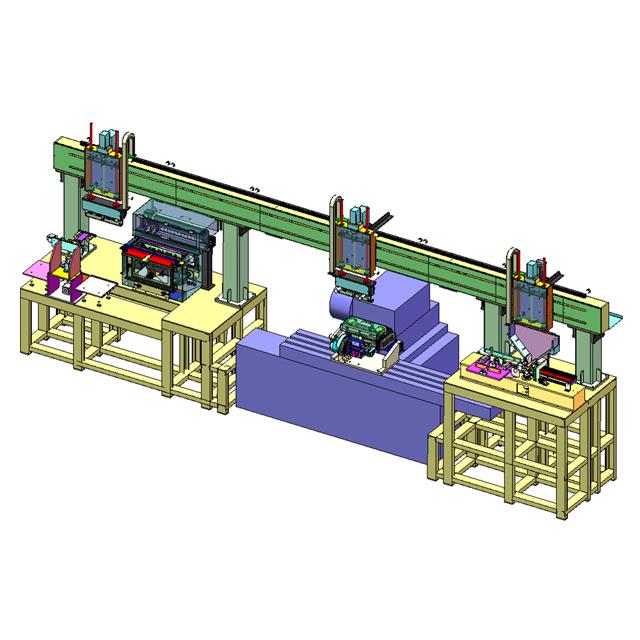
Ai-powered automation helps machines work well in factories. It keeps production lines moving without stopping. This means you can make more products faster. You save money because ai tells you when to fix machines before they break. This is called predictive maintenance. Ai also checks machines and warns you if something is wrong. Cobots, or collaborative robots, help your team with work. People can then do harder jobs instead of simple ones. Ai analytics give you important information. This helps you make smart choices and improve how you make things.
Ai-powered automation helps machines last longer.
You spend less money fixing machines and lose less time.
Workers can use their skills for harder jobs, not just easy ones.
Tip: Using ai in factories helps you work faster and better in healthcare.
Ai-powered automation makes products better and more exact. Ai-driven quality systems check for small problems people might not see. For example, Medtronic uses machine learning to check heart device parts. This system finds more problems and makes fewer mistakes than people. Robotics and machine vision help make every product the same. This is important for good quality. These tools also help you follow strict rules in medical device manufacturing.
Ai-powered visual checks find problems early.
Robotics and machine vision make sure products are always good.
Ai models help you guess how many good products you will make.
Ai-powered automation helps you make fewer mistakes and keep working. Ai watches machines and warns you if something might break. You can fix problems before they stop your work. Some companies have 45% less downtime after using ai-powered maintenance. You also spend less time on paperwork and other jobs. This helps you save money. Most companies get their money back in a year after starting with ai.
Ai lowers mistakes by checking data and steps.
You spend less time fixing errors and more time making good products.
Healthcare companies save a lot of money on following rules.
You can use ai to help machines work well in medical device manufacturing. Predictive maintenance lets you find problems before machines stop working. Ai listens for changes in sound, movement, or heat. If something is not normal, ai warns you early. You can fix the machine before it breaks down. This keeps your work going and saves money.
Ai anomaly detection finds odd changes, like strange shaking or heat.
Predictive modeling shows when a part may break, so you can plan repairs.
Automated schedules let you do maintenance at the best time, not when you are busy.
If you use ai for predictive maintenance, you can lower costs by up to 30%. You can also cut downtime by as much as 45%. This means you make more products and waste less time. Many companies use supervised learning to guess when machines need repairs. Unsupervised learning helps you find weird patterns in your data that could mean trouble.
Ai-driven quality control helps you make better products for healthcare. You can use computer vision to look for tiny problems on your devices. Machine learning checks old data to find issues before they get worse. Ai sensors watch your machines and stop breakdowns that could hurt quality. Automated image recognition checks if your products are the right size and have the right labels. Natural language processing reads your reports and finds mistakes or trends.
Computer vision finds surface problems right away.
Machine learning looks for patterns in your data to stop quality issues.
Ai sensors and image recognition keep your products safe and the same.
Natural language processing checks reports for hidden problems.
Metric | Traditional Manufacturing | AI-enhanced Manufacturing | Best-in-class Implementations |
|---|---|---|---|
Defect Rate (PPM) | 3.4 | <1 | 0 |
First Pass Yield (FPY) | 85-95% | 95-99.5% | >99.9% |
Customer Quality Complaints | N/A | 30-60% reduction | N/A |
Warranty Claims | N/A | 40-70% reduction | N/A |
Product Recalls | N/A | Near elimination | N/A |
You can see that ai-driven quality control lowers defect rates and cuts complaints. You get better first pass yield and fewer recalls. This helps you build trust in healthcare and keeps customers safe.
You can use ai to make your production faster and smarter. Ai-powered automation and robotics help you do tasks with more care. This lowers human error and makes your workflow better. Ai guesses when machines might break, so you can avoid slowdowns. It also checks your process for mistakes and keeps your products at the right standard.
Ai and robotics help you work better by doing tasks just right.
Predictive maintenance keeps machines running and your work steady.
Ai looks for problems in your process and helps you fix them fast.
Ai helps you manage your supply chain by guessing what you need and when, so you waste less.
Ai works with IoT sensors to watch your factory in real time. It can spot changes that might hurt quality. Ai also helps you avoid problems that could cause recalls or safety issues. This protects your brand and saves money.
You can use ai for process and design optimization. This means you look at real-time data from your mes and find ways to improve every step. You can make more products, waste less, and keep your work safe. Ai helps you reach your goals in medical device manufacturing and healthcare.
There will be big changes in rules for ai in medical devices. Regulators want to keep patients safe and help new ideas grow. As more companies use ai-enabled medical devices, rules must change too. You need to learn how these new rules affect your work.
Challenge | Description |
|---|---|
Ensuring patient safety | Balancing new ideas with the need to protect patients from risks in ai applications. |
Addressing biases in training data | Making sure ai does not repeat old mistakes or unfairness in healthcare. |
Managing evolving AI algorithms | Creating rules that can change as ai technology gets better. |
Navigating data protection | Keeping patient data safe while using ai for improvement. |
You must follow new rules as ai in medical devices grows. This helps you build trust and keeps your products safe.
You can make your factory smarter by using ai-powered mes. This system lets you see what happens in your factory right away. You get better control over every step in making products. Here is how ai in medical devices works with mes to help you:
Predictive maintenance helps you fix machines before they break.
AI-driven quality assurance finds problems fast and helps you stop them.
Yield and quality forecasting helps you plan and make better choices.
Smart SOP guidance gives your team the right steps at the right time.
Process and design optimization shows you how to make each step better.
You need to check your data and plan before you start. You must train your team and keep making your system better. This helps you always improve your production.
You need people who want to learn and try new things. Technology alone will not help you win in manufacturing. You must train your team to use ai-enabled medical devices and trust new tools.
Technology alone is not enough. People are often the reason things slow down. Many projects do not last because users do not trust or know how to use ai.
You should teach your team how ai in medical devices works. Show them how it helps make things better and safer. When you support learning, you get better ideas and safer products. In the next five years, you will see more ai-enabled medical devices and smarter factories. There will also be more money and faster new ideas in medical device manufacturing.
You can change how you make medical devices by using ai-powered automation. Try small projects first and teach your workers new skills. Work closely with technology partners to move faster and handle tough rules.
Evidence Description | Impact on AI Adoption in Medical Device Manufacturing |
|---|---|
Advanced manufacturing technologies bring in AI, ML, and other new ideas. | These tools make production easier, improve quality, and speed up delivery. |
MDIC lets companies share what they learn and talk about new things. | Working together helps everyone use new technology better. |
Talking with rule makers and industry leaders is important. | This teamwork makes it easier to follow all the rules. |
Build good partnerships with flexible companies so you can change fast.
Work with tech partners and startups to get more new ideas.
You should also watch for new rules by using real-world data and automated tools. Keep making new changes so you always follow the rules and stay ahead. Use ai to make better products, lower risks, and get safer devices to people faster.
AI-powered automation uses smart machines and software to help you make medical devices. These tools can check quality, predict problems, and speed up your work. You get better products and save time.
AI tracks your data and checks your records. You can find mistakes faster and fix them before audits. This helps you meet FDA and other rules. You build trust with doctors and patients.
Yes! AI systems watch your machines and steps. They alert you if something looks wrong. You fix problems before they grow. This means fewer mistakes and safer devices.
You need to learn how to use new software and machines. Training helps you understand AI tools. Your team should know how to read data and follow new steps.


