
- Home
- Products
- Consumable
- Capabilities
- Service
- Videos & News
- About
- Contact Us
Views: 0 Author: Site Editor Publish Time: 2026-01-26 Origin: Site


Have you ever wondered how AVF needles are made with such precision? The assembly process is crucial to ensuring safety and functionality in medical treatments like hemodialysis. In this article, we’ll explore the workings of the AVF Needle Assembly Machine. You’ll discover how automation helps improve efficiency and quality in needle production.
An AVF Needle (Arteriovenous Fistula Needle) is a medical device used in hemodialysis to access blood vessels. These needles are crucial for connecting the dialysis machine to the patient's bloodstream during treatment.
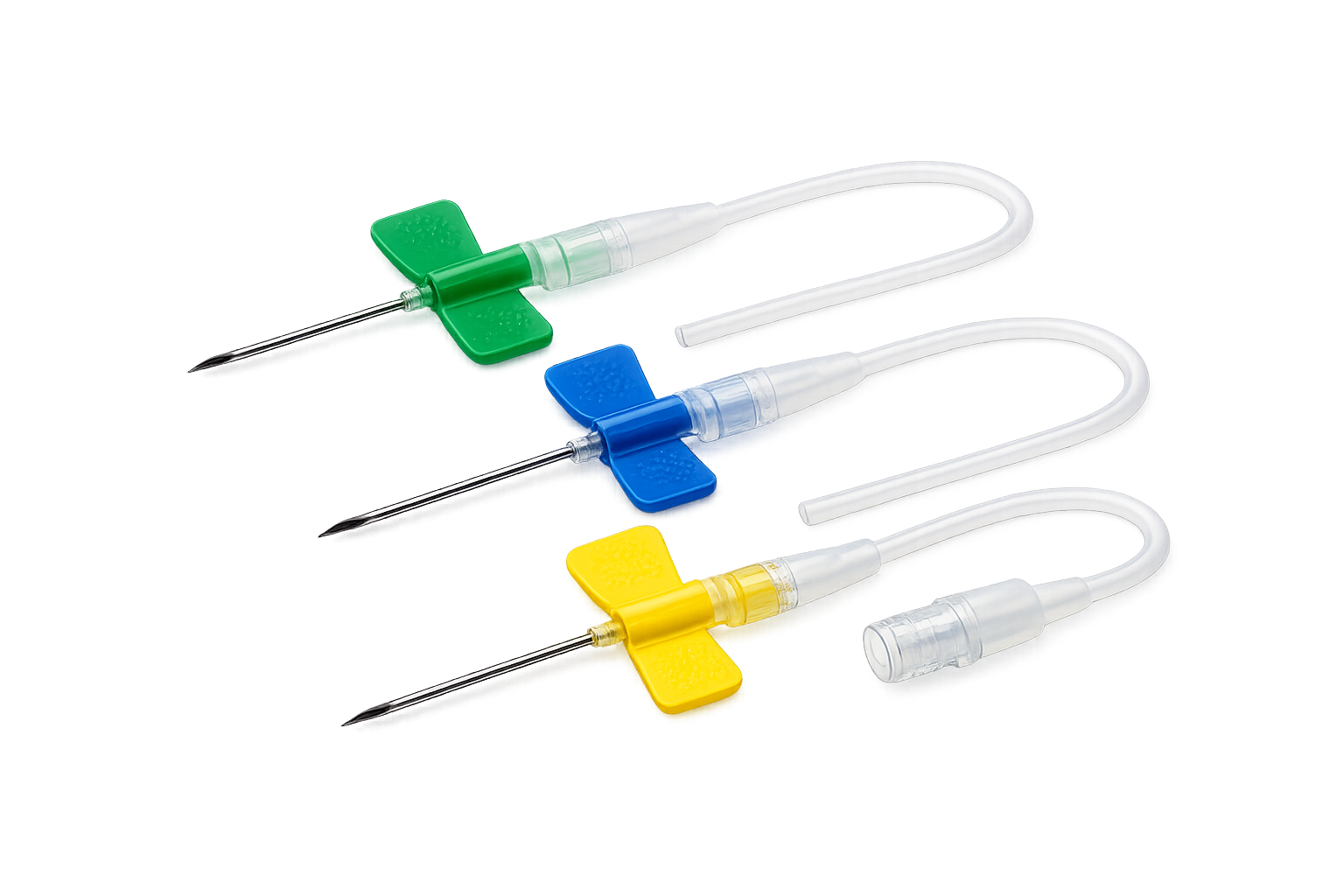
AVF needles are available in various gauges, including 14G, 16G, and 17G. Each gauge is designed for specific dialysis procedures, depending on the patient's size, vein condition, and the type of dialysis required.
Gauge | Common Use |
14G | Large-bore for higher blood flow rates |
16G | Medium-bore, commonly used in dialysis |
17G | Small-bore for more delicate veins |
AVF needles must meet strict medical standards to ensure they are safe and accurate for use in hemodialysis. Automated assembly guarantees that each needle is manufactured to exact specifications, reducing the risk of errors that could compromise patient safety.
Manual assembly introduces potential issues such as human error and inconsistency in the final product. These issues can lead to defects, such as improper needle alignment, inaccurate glue application, or contamination, which can affect the needle's performance and safety.
As hemodialysis needs grow globally, there is an increasing demand for large-scale AVF needle production. Automation helps meet this demand by providing consistent quality and enabling manufacturers to produce high volumes of AVF needles quickly and efficiently.
Challenges | Solution with Automation |
Human Error | Automated systems ensure high precision |
Inconsistent Quality | Vision inspection guarantees defect-free products |
Production Delays | Faster assembly and higher throughput |
In the first step of the assembly process, the AVF Needle Assembly Machine efficiently handles the feeding and orientation of all necessary components. This phase ensures that each part is ready for assembly with minimal intervention from operators.
● Component Feeding: The machine uses vibratory feeders or pneumatic feeding systems to automatically supply essential parts such as needle tubes and needle hubs into the assembly line. These automated systems are designed to work at high speeds, ensuring that each part is delivered to the assembly station without delay.
● Orientation: Before assembly, the system automatically aligns each component. The needle tubes and hubs are positioned correctly, ensuring that each piece is inserted with the proper orientation, preventing alignment errors. This alignment is crucial for maintaining AVF needle assembly precision.
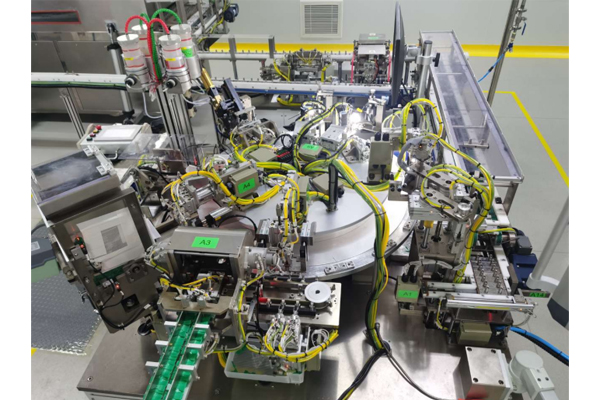
Once the components are properly fed and oriented, the machine moves to the next stage: the assembly of the needle tube and needle hub. This step requires high precision to ensure that the two parts fit together perfectly, as even the slightest misalignment can compromise the functionality of the needle.
● Insertion Process: The needle tube is inserted into the needle hub with the help of a mechanical insertion system. The machine applies precise force to ensure a secure and accurate fit, and this step is performed with high repeatability.
● Mechanical Alignment: The system utilizes advanced mechanical fixtures to guide the needle tube and hub into place. The alignment process is automated and verified, ensuring the needle's functionality is not compromised by any misalignments. This step guarantees that the assembled needles meet the rigorous quality standards required for medical devices.
Key Advantages of These Processes
Feature | Benefit |
Automatic Feeding Systems | Faster, more efficient feeding with reduced human error. |
Precise Alignment | Ensures the components fit together seamlessly, reducing the risk of defects. |
High-Speed Insertion | Allows for rapid assembly without sacrificing precision. |
Through these automated steps, Topkey Medical ensures that its AVF Needle Assembly Machine consistently delivers high-quality medical needles, suitable for large-scale production in hemodialysis applications. This combination of precision and automation guarantees that every needle meets the stringent medical standards required for safe patient care.
In this step, the AVF Needle Assembly Machine uses a highly precise glue dispensing system to bond the needle tube and needle hub. This ensures a secure and long-lasting connection, crucial for the needle’s structural integrity during use.
The machine dispenses UV glue or epoxy resin onto the connection point between the needle tube and hub. This step is vital for:
● Ensuring a strong bond: The adhesive used is specifically chosen to withstand the stresses placed on the needle during use.
● Precision dispensing: Automated glue dispensing ensures that the correct amount of glue is applied, preventing excess or insufficient adhesive that could compromise the assembly.
Once the glue is applied, it undergoes curing using a controlled system. The glue is typically cured by exposing it to UV light or other energy sources, which harden the adhesive, ensuring the bond is both reliable and durable. This process:
● Strengthens the bond: Curing ensures the adhesive reaches its maximum strength, preventing any potential failure during the needle's use.
● Maintains consistency: The curing process is precisely controlled to guarantee that each needle receives the same high-quality bond.
After the bonding process, the next step is to apply a silicone oil coating to both the inner and outer surfaces of the needle. This step plays an essential role in ensuring that the needle operates smoothly during insertion, enhancing patient comfort and reducing the potential for complications.
The machine automatically applies a thin layer of silicone oil to the needle, which helps:
● Reduce friction: By coating the needle, the oil minimizes resistance when the needle is inserted into the patient, making the procedure more comfortable.
● Enhance safety: A smooth needle surface reduces the chances of the needle causing damage to the blood vessel during insertion, ensuring a safer experience for the patient.
Benefit | Details |
Enhanced Comfort | Silicone oil reduces friction, making needle insertion smoother and more comfortable for patients. |
Reduced Risk of Complications | A smooth, coated needle reduces the likelihood of causing internal damage during insertion. |
Increased Precision | The lubrication ensures better control during needle handling, increasing accuracy during procedures. |
The AVF Needle Assembly Machine integrates CCD cameras equipped with high-definition vision inspection systems to carefully monitor the assembly process. This step ensures that every needle is checked for defects before moving on to the next stage of production.
● Needle Tip Inspection: The system inspects the needle’s tip for imperfections, such as burrs, misalignments, or irregular shapes.
● Alignment Check: It verifies that the needle is correctly aligned, as any misalignment can affect its functionality during hemodialysis procedures.
● Glue Application Check: The system ensures that the glue has been applied uniformly and correctly, preventing any improper bonding that could lead to needle failure.
The vision system ensures that each AVF needle meets quality standards, minimizing human error and enhancing production reliability.
Once the inspection system identifies a defect, the machine automatically rejects the faulty products. This automated rejection process is essential for maintaining a high-quality production standard. The rejected products are moved to a separate line, ensuring that only defect-free needles move on to the final stages of assembly.
● Automatic Sorting: The system doesn’t rely on manual labor, which means the rejection process is faster and more accurate.
● No Human Error: By automating defect detection and rejection, the risk of human oversight is eliminated.
After the assembly and inspection processes, the AVF Needle Assembly Machine moves to the next critical stage: sorting and extracting the finished products. This is a key step in ensuring that only quality-assured needles proceed to the final packaging.
The machine uses automated systems to sort the products based on their quality. Qualified products are separated from non-compliant ones, ensuring that only defect-free AVF needles are selected for further processing.
● Efficient Sorting: The sorting process occurs automatically, ensuring that all non-conforming products are removed before packaging.
● Minimized Risk: This automated process helps minimize the chances of defective products reaching the customer, maintaining high-quality standards.
Once the needles are sorted and deemed defect-free, they move on to the automated packaging system. This system packages the needles in a fully streamlined process, reducing labor costs and improving efficiency.
● Packaging Efficiency: The integration with automated packaging systems helps ensure that the needles are packaged quickly and correctly.
● Reduced Human Intervention: With automation, human involvement in packaging is minimized, improving both speed and accuracy.
Feature | Benefit |
Automated Sorting | Fast, accurate sorting of qualified and non-qualified products. |
Defective Product Rejection | Ensures only high-quality products proceed to packaging. |
Automated Packaging | Efficient, reliable packaging with minimal human intervention. |
Topkey Medical’s AVF Needle Assembly Machines are designed to achieve high levels of precision and consistency in production. By automating the process, the machine minimizes human error, ensuring each AVF needle is assembled to exact specifications.
● Accurate Component Alignment: Automated systems eliminate variations that can occur during manual assembly.
● Consistency in Quality: Every needle is produced to the same high standards, reducing defects and increasing reliability.
Automation brings a significant boost to production efficiency. These systems are engineered to handle high-volume production without sacrificing quality.
● Faster Assembly: Automated machines work faster than manual processes, reducing the time required for each assembly.
● Higher Throughput: Increased speed allows for greater production capacity, making it ideal for manufacturers who need to meet large-scale demands.
With vision inspection systems integrated into Topkey Medical’s AVF Needle Assembly Machine, every needle undergoes stringent quality control checks to ensure it meets the required medical standards. These systems perform tasks that would typically require human intervention, providing more consistent results.
● Automated Defect Detection: The inspection system identifies issues like improper glue application or misalignment, ensuring no defective products pass through.
● Medical Standards Compliance: The machine’s precision helps manufacturers meet the strict regulatory requirements set for medical devices.
Benefit | Description |
Enhanced Precision | Guarantees that each AVF needle is made to precise specifications. |
Consistent Quality | Automated systems ensure that product quality is maintained throughout production. |
Defect-Free Output | The inspection system identifies any faults before they reach the customer. |
Automated assembly systems lower operational costs by reducing the need for human labor and minimizing waste due to defective products.
● Labor Savings: With fewer operators required for assembly, manufacturers save on labor costs.
● Reduced Rework: Automated systems catch defects early, reducing the need for time-consuming rework and ensuring cost-effective production.
Topkey Medical is a leading provider of smart manufacturing and automated production solutions for the medical consumables industry. With over 20 years of experience, the company specializes in delivering high-precision, fully automated solutions for needle assembly, including the AVF Needle Assembly Machine.
● Proven Expertise: Topkey’s solutions are trusted by manufacturers of medical devices looking to scale up their operations while maintaining top-tier quality.
● Large-Scale Production: Designed for high-volume production, Topkey Medical’s machines handle the demands of modern medical manufacturing with ease.
Topkey Medical’s AVF Needle Assembly Machines are built to improve both production efficiency and product quality.
Feature | Benefit |
High Throughput | The machine can handle large-scale production efficiently. |
Precision Assembly | Ensures high-quality and reliable assembly of AVF needles. |
Real-Time Monitoring | Integrated digital control systems track performance and quality. |
Integrated Automated Processes | Feeding, adhesive dispensing, and silicone coating work seamlessly together. |
● Vision Inspection Systems: These systems guarantee that every AVF Needle is defect-free before packaging.
● Automated Feeding & Coating: With integrated automated feeding, adhesive dispensing, and silicone oil coating, the entire process is streamlined for maximum efficiency.
In this article, we’ve discussed how Topkey Medical’s AVF Needle Assembly Machine offers high precision and consistency in the production of AVF needles. By automating the process, it increases production efficiency while maintaining strict quality control. This ensures that manufacturers can meet the growing demand for safe, reliable AVF needles in the healthcare industry.
A: An AVF Needle Assembly Machine automates the production of Arteriovenous Fistula Needles, ensuring high precision and efficiency in the assembly of components like needle tubes and hubs.
A: The machine feeds components automatically, assembles the needle parts, applies adhesives, performs vision inspection, and sorts finished products for packaging, ensuring consistency and quality.
A: It increases production speed, reduces human error, ensures consistent AVF Needle Size, and guarantees compliance with strict medical standards, improving overall efficiency.
A: Silicone oil reduces friction during insertion, ensuring smoother operations and enhanced patient comfort during hemodialysis treatments.
A: Automation ensures precision, consistent quality, and higher output, which are essential for meeting the growing demand for AVF needles in medical settings.


