
- Home
- Products
- Consumable
- Capabilities
- Service
- Videos & News
- About
- Contact Us
Views: 0 Author: Site Editor Publish Time: 2026-01-05 Origin: Site


Medical suction tubing assemblies are essential in modern healthcare, yet many may not fully understand their importance. How do these systems impact patient safety and medical procedures? In this article, we will discuss the role of medical suction tubing assemblies in patient care. You will learn about their functions, applications, and how they help improve healthcare outcomes.
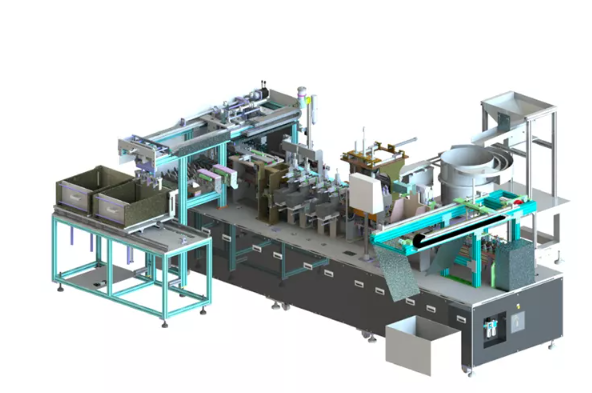
A medical suction tubing assembly is a system designed to remove unwanted fluids from a patient’s body. It consists of several key components:
Component | Description |
Suction Tubing | Flexible, transparent tubes that connect the suction canister to the patient. |
Connectors | Fittings that secure the tubing to the suction unit, ensuring a safe and tight connection. |
Suction Canisters | Containers that collect the extracted fluids, designed to be disposed of or sterilized. |
Suction Pump | The device that generates the vacuum pressure required to remove fluids from the body. |
This assembly is crucial for maintaining clear airways, reducing infections, and ensuring that medical procedures, particularly surgeries and diagnostics, proceed without complications.
Medical suction tubing assemblies operate by creating a vacuum using a suction pump. This pump generates negative pressure, pulling fluids from the patient’s body through the tubing and into a collection canister. The vacuum pressure can be adjusted to suit the needs of the procedure, ensuring safe and efficient fluid removal.
Suction tubing works in a wide variety of medical settings, from emergency rooms to operating theaters, where it is essential to remove blood, mucus, or other bodily fluids to prevent obstruction or contamination during treatments.
Medical suction tubing assemblies come in various forms to meet specific medical needs:
Type of Tubing | Description | Advantages |
Disposable Tubing | Single-use tubing designed for hygiene purposes, eliminating cross-contamination. | Easy to dispose of, sterile, no cleaning required. |
Reusable Tubing | Durable tubing designed for multiple uses, requiring cleaning and sterilization. | Cost-effective in the long term, eco-friendly. |
Material Variations | Tubing made from different materials like latex, silicone, and PVC. | Different materials offer flexibility, durability, and resistance to fluids. |
Choosing the right type of tubing depends on the medical setting, frequency of use, and the specific requirements of the procedure.
In emergency care, suction tubing assemblies are vital for clearing a patient’s airway during life-threatening situations. For example, in cases of choking or respiratory distress, suction tubing removes saliva, mucus, or vomit that could block the airway, ensuring the patient can breathe.
During surgery, the use of suction tubing is essential to clear blood and other fluids from the surgical site. This helps the surgeon maintain a clear view of the area, making the procedure safer and more efficient.
Medical suction tubing plays a critical role in respiratory therapy, particularly for patients with chronic respiratory conditions like COPD (Chronic Obstructive Pulmonary Disease), pneumonia, or cystic fibrosis. These patients often accumulate excess mucus, which can obstruct their airways and make breathing difficult. Suction helps clear these blockages, improving their ability to breathe and facilitating better treatment.
After surgery, suction tubing is frequently used to remove fluids like blood, secretions, or other materials that may accumulate at the surgical site. This prevents infection, reduces complications, and supports quicker healing by keeping the area clean.
Suction tubing is essential during endoscopic procedures, where the doctor uses a camera to view the internal organs. During these procedures, suction removes fluids, such as mucus or blood, that could obstruct the view, allowing the physician to perform diagnostics or surgery effectively.
Aspiration pneumonia occurs when fluids or food particles are inhaled into the lungs, potentially leading to serious complications. Medical suction tubing is crucial in preventing aspiration by clearing the airway of secretions, mucus, or vomit in at-risk patients. It is often used in critical care units and during surgeries to keep the airway clear and reduce the risk of aspiration.
Suction tubing assemblies, especially those that are sterile and disposable, help prevent cross-contamination between patients. By using single-use, sterile tubing, the risk of infection during procedures is minimized. Additionally, proper sterilization of reusable tubing is critical to ensuring patient safety.
In emergencies, suction tubing assemblies are lifesaving tools. They enable healthcare providers to rapidly clear airways during life-threatening situations such as choking or when a patient is unable to breathe effectively due to a build-up of fluids in their airway. The speed and efficiency of suction systems are essential for patient survival in these critical scenarios.
Flexibility is an important consideration when selecting medical suction tubing. Flexible tubing ensures ease of use in various medical scenarios, allowing healthcare providers to position the tubing comfortably without causing harm to the patient. Durability is also important, particularly for reusable tubing, which must withstand repeated sterilization and handling.
It is essential that the suction tubing assembly be compatible with other medical devices, such as suction canisters, pumps, and adapters. The tubing must fit properly with the suction unit to ensure optimal fluid removal and prevent leaks that could compromise patient care.
Reusable suction tubing can be a more cost-effective option in the long run. However, it requires proper sterilization between uses to prevent contamination. In contrast, disposable tubing eliminates the need for cleaning but may be more expensive. When choosing between disposable and reusable tubing, it’s essential to weigh cost considerations, frequency of use, and infection control needs.
The materials used in suction tubing assemblies must be biocompatible and safe for contact with body fluids. Tubing made from materials like silicone, PVC, or latex must be chosen based on the medical environment and the patient’s specific needs. Additionally, these materials should not cause irritation or adverse reactions when exposed to the skin or mucous membranes.
Reusable suction tubing must be cleaned and sterilized properly to ensure that it remains free from harmful pathogens. This involves thorough cleaning with appropriate disinfectants and sterilization methods such as autoclaving. Healthcare facilities should have clear protocols in place for cleaning and maintaining suction tubing.
Cleaning Method | Description |
Manual Cleaning | Using disinfectants to manually clean tubing before sterilization. |
Autoclaving | High-temperature sterilization to kill pathogens, used for reusable tubing. |
Chemical Sterilization | Using chemical solutions to sterilize reusable tubing, suitable for sensitive materials. |
Disposable suction tubing should be disposed of according to healthcare regulations, as improper disposal can lead to contamination and environmental harm. It is essential to follow proper waste disposal procedures to maintain hygiene and prevent cross-contamination.
Regular inspection of both reusable and disposable suction tubing is necessary to ensure that the equipment is in good working order. Tubing should be checked for wear, leaks, or blockages, and replaced if it shows signs of damage.
The future of medical suction tubing involves advancements in material technology, with innovations aimed at enhancing safety, comfort, and sustainability. New materials are being developed that are more durable, flexible, and resistant to biohazards, helping reduce infection rates and improving patient outcomes.
As medical technology continues to evolve, suction tubing assemblies are becoming integrated with smarter medical devices. These innovations include sensors that monitor fluid levels, real-time data transmission to medical teams, and even automated suction systems that adjust to patient needs. Such advancements will lead to more efficient and personalized patient care.
Medical suction tubing assemblies are essential components of modern healthcare, ensuring patient safety and supporting the success of various medical procedures. By understanding their importance, applications, and best practices, healthcare providers can enhance their use of suction systems to improve patient outcomes. At Topkey, we are committed to providing high-quality medical suction tubing assemblies that help healthcare professionals deliver the best care possible. As technology evolves, medical suction systems are expected to become even more advanced, and Topkey is at the forefront of these innovations, helping save lives and promote better healthcare practices globally.
A: A Medical Suction Tubing Assembly is used in healthcare settings to remove fluids, debris, and secretions from a patient's body. It plays a crucial role in clearing airways during surgeries, respiratory therapy, and post-operative care.
A: The assembly works by using a suction pump to generate vacuum pressure, which pulls fluids through flexible tubing and into a collection canister. It helps in fluid removal during medical procedures to ensure patient safety and comfort.
A: It is vital for maintaining clear airways, preventing aspiration, reducing infection risks, and supporting efficient medical procedures. It is used in emergencies, surgeries, respiratory therapy, and endoscopic procedures.
A: The cost of a Medical Suction Tubing Assembly varies depending on the type (disposable or reusable), material, and manufacturer. Disposable versions tend to be cheaper, while high-quality, reusable models may cost more but offer long-term savings.


