
- Home
- Products
- Consumable
- Capabilities
- Service
- Videos & News
- About
- Contact Us
Views: 0 Author: Site Editor Publish Time: 2026-01-12 Origin: Site


Medical suction tubing assemblies are essential in healthcare, ensuring safe fluid removal during procedures. They help maintain a sterile environment, especially in surgeries and respiratory therapy. In this article, you will learn about the key components, uses, and benefits of these vital systems. Understanding them can improve both patient care and medical outcomes.
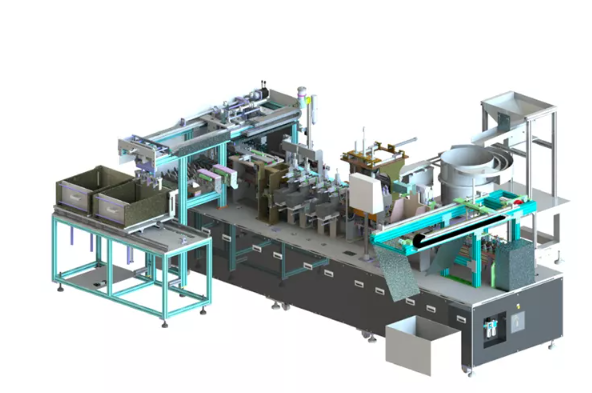
A medical suction tubing assembly is a crucial component in many healthcare settings, primarily designed for the removal of bodily fluids or waste. It includes a variety of parts that work together to provide effective suction, helping to clear airways, control fluids in surgery, and manage drainage in various clinical situations.
These assemblies are used in diverse environments, from emergency rooms to home care settings. Their primary function is to create a vacuum, allowing for the removal of unwanted fluids and materials from a patient’s body, ensuring a clean and sterile environment.
A medical suction tubing assembly operates by connecting tubing to a vacuum source, allowing it to create a suction effect that can remove fluids or debris. The tubing is flexible and connects to various medical instruments, such as suction canisters or suction regulators. The vacuum pressure is carefully controlled to ensure patient safety while achieving the desired suction power.
In procedures like wound care, respiratory therapy, and surgeries, this controlled suction helps remove fluids, blood, mucus, and other materials, allowing the doctor or healthcare provider to work in a clear, sterile environment.
Medical suction tubing assemblies play a vital role in patient safety. By effectively removing fluids and debris from the body, these systems reduce the risk of infection, prevent complications, and improve patient recovery times. In critical care, they help maintain clear airways for patients who may have trouble breathing or are undergoing invasive procedures.
A medical suction tubing assembly consists of several key components, each with a unique role to ensure the system operates efficiently and safely. These include suction tubing, canisters, and vacuum regulators. Let's take a closer look at these components.
The suction tubing is the flexible conduit through which fluids are drawn. Typically made from medical-grade PVC or similar materials, the tubing must be durable and resistant to kinking or collapsing. It is available in different diameters and lengths, allowing healthcare providers to choose the best option based on the procedure and patient needs. The tubing can be either rigid or flexible, depending on the intended use.
Suction canisters are designed to collect fluids and debris. These canisters are usually made from clear, durable plastic and come in different sizes, depending on the amount of fluid that may need to be collected during a procedure. The canisters often feature a lid with a filter, which helps prevent fluids from splashing and reduces the risk of contamination.
Here is a table summarizing the key features of different suction canisters:
Feature | Standard Canister | High-Capacity Canister | Disposable Canister |
Material | Medical-grade plastic | Medical-grade plastic | Single-use plastic |
Capacity | 1000 mL to 2000 mL | 3000 mL to 5000 mL | 1000 mL to 2000 mL |
Filter Type | Integrated filter | Integrated filter | Disposable filter |
Usage | Routine procedures | High-volume surgeries | One-time, emergency use |
A vacuum regulator controls the amount of suction being applied. This component is essential for ensuring that the suction pressure is appropriately adjusted based on the patient's condition and the procedure. There are different types of vacuum regulators, including manual and automatic versions, allowing for precise control of suction pressure during critical procedures.
Medical suction tubing assemblies are used in a variety of applications across healthcare settings. These assemblies are integral to procedures that require the removal of fluids and debris, ensuring a clear and sterile environment. Here are the main uses of suction tubing assemblies.
In respiratory care, medical suction tubing is essential for clearing airways in patients who have trouble breathing or have been intubated. It is commonly used in emergency situations, such as when a patient is choking or suffering from severe mucus accumulation. The tubing can be used to suction out saliva, mucus, and other secretions, allowing patients to breathe more easily.
In intensive care units (ICUs) and during surgeries, suction helps clear the airway of blood or fluids, making it easier for healthcare providers to monitor and manage a patient’s condition.
During surgeries, suction tubing assemblies are used to keep the surgical field clean and free of fluids, blood, and debris. This is crucial for maintaining a sterile environment and allowing surgeons to perform their procedures accurately. The suction also prevents fluids from interfering with medical instruments, which could hinder the operation.
For example, in orthopedic surgery, suction is used to remove blood from the surgical site to prevent pooling, ensuring better visibility during the procedure.
Suction systems are often used to drain wounds, abscesses, and surgical sites. By removing excess fluids, suction helps prevent infection and promotes faster healing. The ability to control drainage is particularly important in cases of large wounds, burns, or surgical incisions.
In infection control, suction can also help manage bacterial growth by preventing fluid build-up, reducing the chances of contamination.
Medical suction tubing assemblies offer numerous benefits, improving the quality of care and patient outcomes. Let's explore the key advantages of using these systems in healthcare.
By removing excess fluids, debris, and other materials, medical suction tubing assemblies help maintain a clear field during procedures, reducing the risk of complications. This leads to faster recovery times for patients, as the risk of infection and other issues is minimized.
In respiratory therapy, suctioning helps patients breathe more easily, improving their overall comfort and recovery process.
Modern medical suction systems are designed to be easy to use, with user-friendly controls and features. Vacuum regulators can be easily adjusted, and tubing can be quickly connected or replaced, reducing time spent on setup and maintenance. These systems are also designed to be easy to clean, which is essential for ensuring patient safety.
Medical suction tubing assemblies are highly adaptable to a wide range of medical procedures. Whether in an emergency room, operating theater, or home care setting, these systems can be customized to meet specific needs. They are available in both portable and stationary models, offering flexibility for various healthcare environments.
Despite their numerous benefits, medical suction tubing assemblies do come with some challenges that healthcare providers must be aware of.
Suction tubing systems must be kept sterile to prevent the spread of infections. Regular cleaning and sterilization are essential to ensure patient safety, and healthcare providers should follow best practices for maintaining these systems.
Suction tubing systems require regular inspection and maintenance to ensure they are functioning properly. Healthcare providers must monitor suction pressure, check tubing for blockages, and ensure canisters are emptied regularly to prevent system failure.
Choosing the right medical suction tubing assembly is essential for providing optimal care. The selection process should consider several factors, including material quality, suction power, and compatibility with other medical equipment.
The requirements for suction assemblies can vary greatly between hospital and home care settings. Hospital systems often require higher suction power and more complex systems, while home care setups may need more portable, easy-to-use models. Understanding the specific needs of the setting can help healthcare providers choose the right system for each application.
Medical suction tubing assemblies are a vital part of healthcare, aiding in procedures ranging from routine wound care to complex surgeries. They improve patient safety, enhance outcomes, and provide flexibility for healthcare providers. By understanding the components, uses, and benefits of these systems, healthcare professionals can make informed decisions, ensuring that they deliver the best care possible. At Topkey, we are committed to providing high-quality medical suction tubing assemblies that meet the diverse needs of healthcare professionals and enhance patient care.
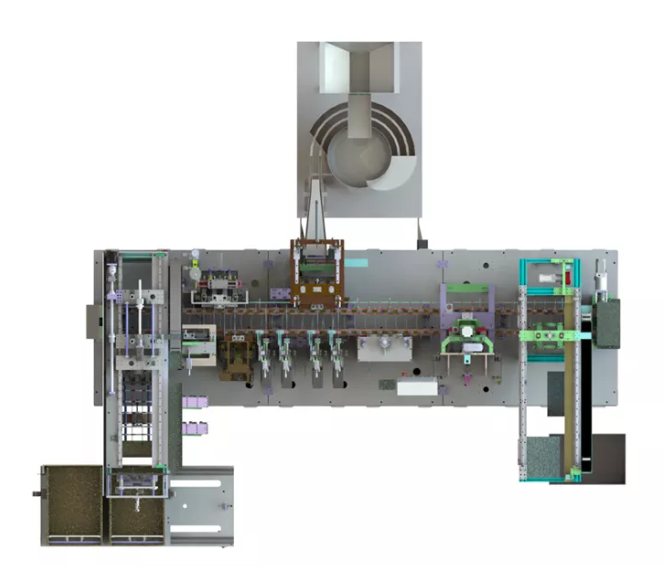
A: A Medical Suction Tubing Assembly is a system used in healthcare to remove fluids, debris, and other materials from a patient's body. It includes flexible tubing, canisters for fluid collection, and vacuum regulators to control suction pressure, ensuring a sterile environment during medical procedures.
A: A Medical Suction Tubing Assembly is used to clear airways, control fluid during surgery, and manage drainage in various clinical settings. It works by applying vacuum pressure through tubing to remove unwanted materials, improving visibility and safety during medical procedures.
A: It plays a crucial role in preventing infection, maintaining a sterile environment, and aiding in patient recovery. The assembly ensures that fluids and debris are efficiently removed from the body during procedures, reducing the risk of complications and improving patient outcomes.
A: Key components include flexible suction tubing, suction canisters for fluid collection, and vacuum regulators or controllers to manage suction levels. These parts work together to ensure effective and safe fluid removal during medical procedures.


