
- Home
- Products
- Consumable
- Capabilities
- Service
- Videos & News
- About
- Contact Us
Views: 0 Author: Site Editor Publish Time: 2025-06-03 Origin: Site


The integration of automation technology in medical laboratories has revolutionized the way diagnostic processes are conducted. The advent of the automatic tube sorter has significantly improved the efficiency and accuracy of sorting blood collection tubes. Coupling this technology with Laboratory Information Systems (LIS) is crucial for optimizing laboratory workflows and ensuring seamless data management.
Automatic tube sorters are sophisticated devices designed to automate the sorting process of blood collection tubes based on predefined criteria. These machines enhance laboratory efficiency by reducing manual handling errors and speeding up the sorting process. The use of an automatic tube sorter for blood collection tubes ensures that specimens are processed promptly, thereby improving patient care outcomes.
Modern automatic tube sorters are equipped with advanced features such as barcode scanning, automated sorting algorithms, and high-capacity processing capabilities. They can handle a wide range of tube sizes and types, making them versatile for various laboratory needs. The Automatic Tube Sorting Machine integrates seamlessly with existing laboratory equipment, facilitating a unified workflow.
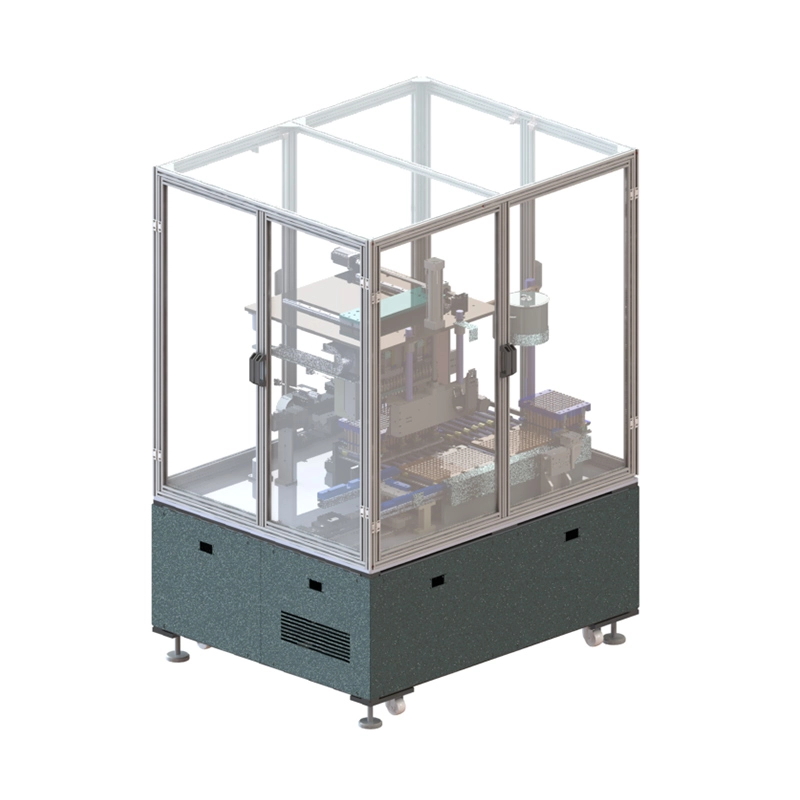
Laboratory Information Systems are integral to modern laboratories, managing data from sample collection to result reporting. LIS platforms ensure accurate tracking of specimens, manage patient information, and facilitate communication between different laboratory departments. Integrating an automatic tube sorter with LIS enhances these functions by automating data entry and reducing the potential for human error.
The integration provides real-time tracking of specimens, improves turnaround times, and enhances overall laboratory efficiency. It allows for automatic updating of patient records and test orders, ensuring that all laboratory personnel have access to the most current information. This synergy between hardware and software optimizes laboratory operations and supports better clinical decision-making.
Integrating the automatic tube sorter with LIS involves several critical steps to ensure seamless operation. It's essential to plan meticulously and involve all stakeholders in the process. Below are the key steps to facilitate successful integration.
Before integration, it's vital to assess the compatibility of the automatic tube sorter with the existing LIS. Ensure that the hardware interfaces and communication protocols are compatible. The automatic tube sorter must support the necessary data formats and standards used by the LIS to facilitate smooth data exchange.
Develop detailed integration protocols outlining how data will be transferred between the systems. This includes setting up interfaces, defining data fields, and establishing error-handling procedures. Collaboration with IT specialists and the equipment manufacturer is crucial to address technical challenges and ensure that all aspects of the integration are covered.
Conduct comprehensive testing to validate that the integration functions correctly. This involves running simulations and pilot tests to identify any issues with data transfer or system performance. Validate that the Automatic Tube Sorting Machine accurately communicates with the LIS, and data integrity is maintained throughout the process.
While integration offers significant benefits, it also presents challenges that need to be addressed proactively. Understanding these challenges can help in developing strategies to overcome them, ensuring a successful integration process.
One of the main challenges is ensuring that the automatic tube sorter is technically compatible with the LIS. Differences in data formats, communication protocols, and software versions can hinder integration. Engaging with manufacturers and software providers to establish compatibility is essential.
Integrating systems can expose vulnerabilities in data security. Protecting patient information is paramount, and compliance with regulations such as HIPAA is required. Implement robust security measures, including encryption and access controls, to safeguard data during and after integration.
Another challenge is ensuring that laboratory staff are adequately trained to use the integrated system. Comprehensive training programs should be developed to familiarize staff with new workflows and procedures. This enhances user adoption and minimizes disruptions to laboratory operations.
Adopting best practices can facilitate a smoother integration process and maximize the benefits of combining an automatic tube sorter with LIS. Below are recommended strategies based on industry experience.
Involve all relevant stakeholders, including laboratory technicians, IT personnel, and management, from the early stages of the integration project. Their input and support are crucial for identifying potential issues and ensuring that the system meets the needs of all users.
A detailed integration plan should outline the objectives, timelines, responsibilities, and resources required. This plan serves as a roadmap for the project and helps keep all parties aligned and focused on the goals.
Ensure that data integrity and security are at the forefront of the integration process. Implement measures to protect against data loss and unauthorized access. Regular audits and monitoring can help maintain the security of the integrated system.
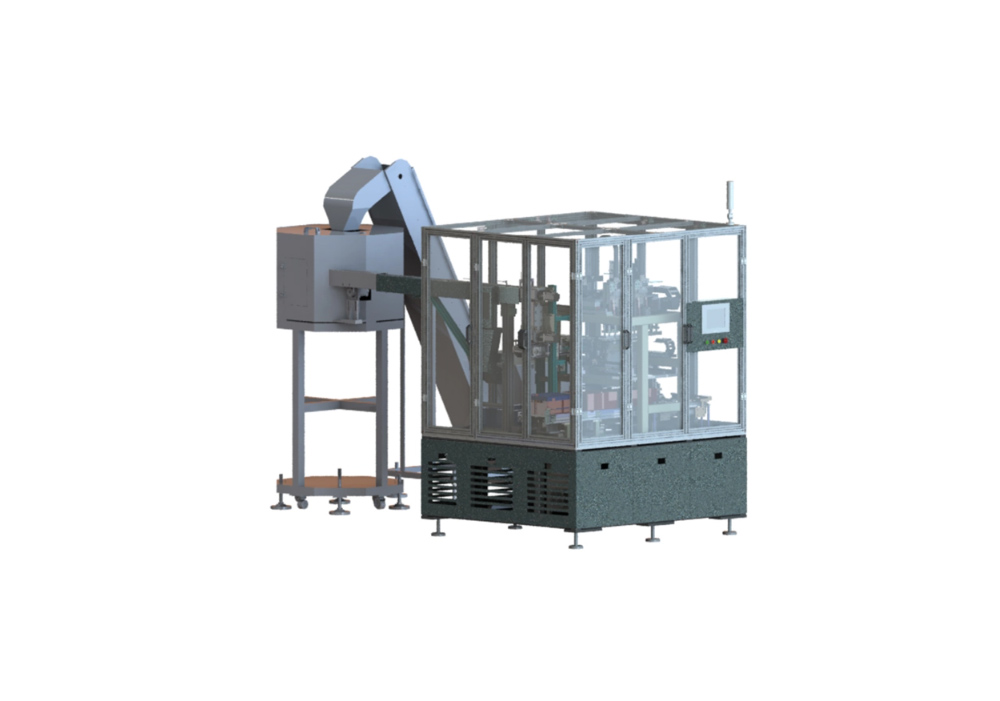
The integration of automatic tube sorters with LIS is part of a broader trend towards automation in laboratories. Emerging technologies such as artificial intelligence and machine learning are expected to further enhance laboratory operations.
AI can improve specimen sorting algorithms, predict maintenance needs for equipment, and assist in data analysis. Incorporating AI into automatic tube sorters could lead to even greater efficiency and accuracy in laboratory processes.
IoT devices can enable continuous monitoring of laboratory equipment, providing real-time data on performance and facilitating predictive maintenance. Connectivity between devices enhances the integration capabilities and opens new possibilities for automation.
Integrating your automatic tube sorter with LIS systems is a strategic move to enhance laboratory efficiency, accuracy, and data management. By following best practices and addressing potential challenges proactively, laboratories can achieve significant improvements in workflow and patient care outcomes. Embracing technological advancements such as the Automatic Tube Sorting Machine positions laboratories at the forefront of innovation in medical diagnostics.


