


In modern clinical laboratories and hospitals, blood collection is an essential first step for a wide range of diagnostic tests. However, managing blood collection tubes manually can lead to costly delays, mislabeling, and human errors. This is where the automatic tube sorter steps in—a revolutionary technology designed to streamline the tube sorting process while minimizing human intervention. This article explores how the automatic tube sorter improves efficiency, reduces errors, and enhances productivity, especially in facilities that process high volumes of medical consumables like blood collection tubes.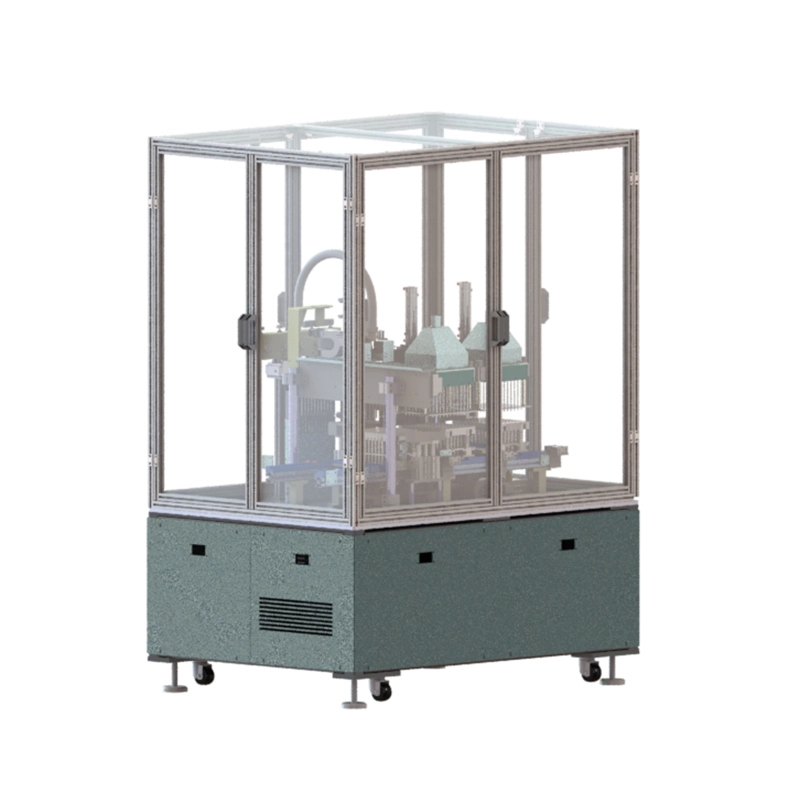
What is an Automatic Tube Sorter?
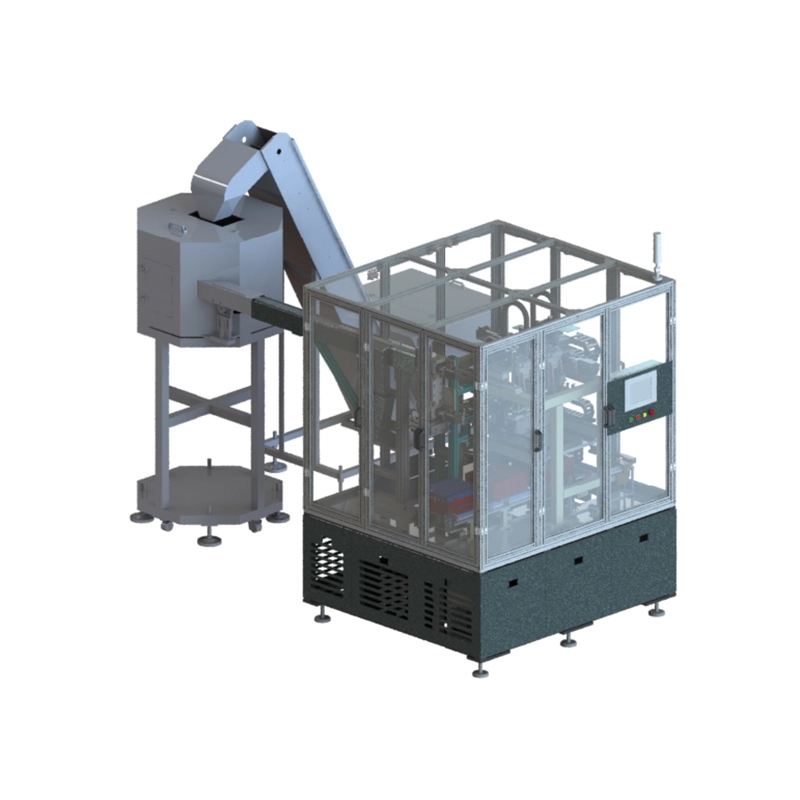
An automatic tube sorter is a machine for blood collection processing that automates the sorting of blood collection tubes. These tube sorting machines are often integrated into pre-analytical phases in clinical laboratories and hospitals to ensure accurate handling, sorting, and tracking of tubes. Typically, these machines are created with sketch-based designs that focus on space optimization, seamless integration, and high throughput.
Modern automatic tube sorting machines use barcode scanning, robotic arms, and software algorithms to correctly sort blood collection tubes according to test type, department, or urgency. These machines reduce manual handling and significantly increase speed and accuracy.
Benefits of Using an Automatic Tube Sorter
1. Time Savings
One of the most significant advantages of using an automatic tube sorter is the time it saves. Manually sorting blood collection tubes is labor-intensive and time-consuming. A high-capacity tube sorting machine for blood can sort up to thousands of collection tubes per hour, greatly reducing the time required for specimen processing.
2. Error Reduction
Mislabeling or sorting the wrong blood collection tubes can have serious implications. Human errors such as fatigue, misreading labels, or placing tubes in incorrect trays are virtually eliminated with an automatic tube sorting machine. Advanced systems are created with sketch step by step to handle complex logic, ensuring 100% accuracy in sorting by patient, test type, and priority.
3. Enhanced Workflow Integration
An automatic tube sorter is not a standalone device—it integrates into laboratory information systems (LIS) and hospital information systems (HIS), making it an essential part of a broader diagnostic infrastructure. This seamless integration ensures that once the blood collection tubes are scanned, data is instantly updated across platforms, improving traceability and compliance.
4. Cost Efficiency
Though the initial investment in a machine for blood collection may seem high, the long-term benefits far outweigh the costs. With fewer errors, less manual labor, and faster turnaround times, the ROI for an automatic tube sorter is typically achieved within a year in mid-to-large scale laboratories.
Core Features of an Automatic Tube Sorter
The best automatic tube sorting machines offer a wide range of features:
High Throughput: Capable of sorting thousands of collection tubes per hour.
Barcode Scanning: Identifies and classifies blood collection tubes.
Custom Sorting Logic: Sort by patient ID, test type, urgency, etc.
Compact Design: Often created with sketch to fit into limited space.
Error Detection: Detects labeling or cap color mismatches.
Remote Monitoring: Operators can track performance via cloud-based dashboards.
Use Cases in Medical Settings
Hospitals
In large hospitals, blood collection is a round-the-clock operation. Delays in tube sorting can affect patient diagnosis and treatment. An automatic tube sorter helps by ensuring all tubes are sorted promptly and accurately, speeding up the testing process and enhancing patient outcomes.
Diagnostic Labs
For high-throughput diagnostic labs that handle thousands of medical consumables daily, accuracy is non-negotiable. Tube sorting machines offer consistent performance and reduce dependency on manual labor.
Blood Banks
In blood banks, accurate sorting of blood types and components is vital. Errors can result in serious health risks. An automatic tube sorting machine ensures that each collection tube is categorized precisely according to its content and intended use.
Integration with Medical Consumables Management
Managing medical consumables like blood collection tubes requires precise tracking and inventory management. Many modern tube sorting machines are designed to integrate with inventory systems, allowing for automatic stock updates and reorder alerts. This automation ensures that laboratories never run out of essential medical supplies and minimizes waste due to expired or mishandled tubes.
Latest Trends in Automatic Tube Sorter Technology
AI and Machine Learning
New generations of automatic tube sorting machines are incorporating AI to predict sorting patterns, detect anomalies, and self-adjust operations for increased efficiency.
IoT Integration
With IoT, automatic tube sorters can now send real-time operational data to central systems, alerting technicians to maintenance needs, potential errors, or performance metrics.
Eco-Friendly Design
Manufacturers are focusing on sustainability. Many machines are now created with sketch designs that reduce energy consumption, support recyclable materials, and occupy less space.
Challenges and Considerations
While the benefits are clear, there are also challenges:
Initial Cost: Some labs may find the upfront investment high.
Training: Staff need proper training to operate and troubleshoot.
Maintenance: Like all machines, automatic tube sorters require regular maintenance to perform optimally.
Despite these challenges, the long-term gains in efficiency, cost savings, and error reduction make them a worthwhile investment for most medical facilities.
Conclusion
In today's fast-paced healthcare environment, time and accuracy are paramount. The automatic tube sorter emerges as a transformative solution, especially for handling blood collection tubes efficiently. With its ability to save time, reduce human error, and integrate seamlessly into existing workflows, it is a vital tool for any modern medical facility.
Whether in a large hospital, a diagnostic lab, or a specialized blood bank, investing in a machine for blood collection and tube sorting is a forward-thinking decision. As technologies evolve, so too will the capabilities of these automatic tube sorting machines, ensuring they remain indispensable in the quest for better healthcare outcomes.
By automating one of the most critical yet mundane parts of the diagnostic process, automatic tube sorters free up human resources, improve safety, and deliver faster, more reliable results—exactly what today's healthcare systems need.


