
- Home
- Products
- Consumable
- Capabilities
- Service
- Videos & News
- About
- Contact Us
Views: 0 Author: Site Editor Publish Time: 2025-06-10 Origin: Site


In modern laboratory settings, the efficiency of sample processing is paramount. Laboratories are continually seeking ways to optimize their workflows, reduce errors, and increase throughput. One critical aspect of laboratory management is the sorting of tubes, which can be performed manually or with the assistance of automation. The debate between utilizing an automatic tube sorter and relying on manual sorting methods is ongoing. This article delves into both approaches, comparing their advantages and drawbacks to determine which is better suited for contemporary laboratory needs.
 Tube sorting is a fundamental task in laboratories that handle significant volumes of samples. Efficiency in sorting not only speeds up the workflow but also minimizes the risk of errors that can lead to misdiagnosis or the need for retesting. As laboratories face increasing demands, the traditional manual methods are often scrutinized for their limitations in keeping up with the pace without sacrificing accuracy.
Manual tube sorting involves lab personnel physically organizing and categorizing tubes based on predefined criteria such as test type, patient information, or urgency. This method relies heavily on human attention to detail and can be flexible in handling unexpected variations in samples. However, it is labor-intensive and susceptible to human error, especially in high-throughput environments.
The primary advantage of manual tube sorting is the human ability to adapt to unusual situations that automated systems may not be programmed to handle. Experienced lab technicians can quickly make decisions based on complex criteria or recognize discrepancies that might elude machines. Additionally, the initial cost of manual sorting is lower since it does not require investment in expensive equipment.
Despite its adaptability, manual sorting is time-consuming and can be inefficient for large volumes of samples. The potential for human error increases with fatigue and repetitive tasks, which can lead to mislabeling or incorrect sorting. These mistakes can have significant repercussions, including incorrect patient results and increased operational costs due to retesting.
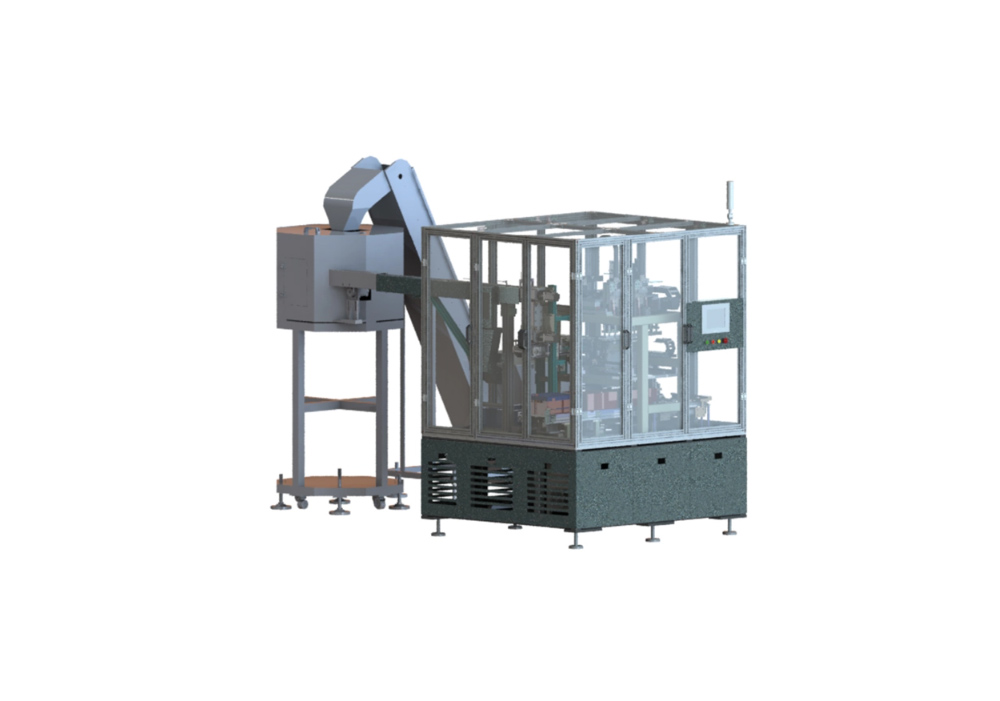
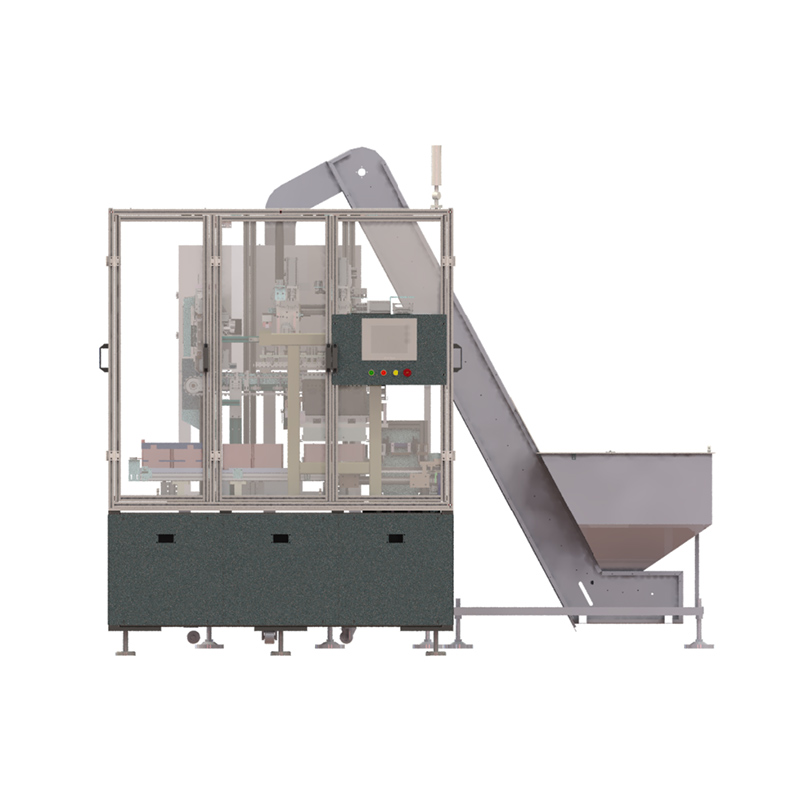
An automatic tube sorter for lab workflow represents the integration of robotics and intelligent software to handle the sorting process. These machines can rapidly process large numbers of tubes with high precision, reducing the reliance on manual labor and minimizing errors associated with human handling.
Automation offers several benefits, including increased throughput, consistency, and accuracy. Automatic tube sorters can work continuously without fatigue, maintaining a steady pace that outperforms manual sorting. They are equipped with barcode scanners and advanced software that ensure each tube is correctly identified and placed according to the specified criteria, thus enhancing the reliability of laboratory results.
The adoption of automatic tube sorters comes with challenges such as the initial capital investment, maintenance costs, and the need for technical expertise. Laboratories must assess the return on investment, considering the volume of samples processed and the potential savings from reduced errors and increased efficiency. Additionally, integrating new equipment into existing workflows requires careful planning to avoid disruptions.
When comparing manual tube sorting with automated systems in terms of efficiency, automation generally outperforms manual methods. Automatic tube sorters can handle thousands of samples per hour, significantly reducing turnaround times. This increased efficiency allows laboratories to manage higher workloads without compromising quality.
Fast turnaround times are critical in clinical settings where timely results can influence patient care decisions. Automated sorters excel in this aspect by streamlining the pre-analytical phase of testing. Laboratories utilizing automation report substantial improvements in their ability to deliver results promptly, which enhances patient satisfaction and clinical outcomes.
Accuracy is paramount in laboratory operations. Errors in tube sorting can lead to sample misidentification and incorrect test results. While manual sorting depends on the vigilance of personnel, automated systems use standardized processes to minimize errors.
Automatic tube sorters reduce the likelihood of human error by automating repetitive tasks. Barcode scanning and software algorithms ensure that each tube is correctly identified and sorted. This level of accuracy is difficult to achieve consistently with manual methods, particularly in high-volume laboratories.
Integrating automation into the lab workflow can have profound effects on overall operations. It not only changes the way samples are processed but also influences staffing and resource allocation.
An automatic tube sorter allows for a more streamlined process by reducing bottlenecks in sample handling. This efficiency can free up lab personnel to focus on more complex tasks that require human expertise, such as data analysis or troubleshooting unusual results.
Automation may change staffing needs, potentially reducing the number of personnel required for sorting tasks. However, it also creates a demand for staff trained in operating and maintaining automated equipment. Investment in training is essential to ensure that the laboratory staff can effectively manage the new technology.
Cost is a significant factor in deciding between manual and automated sorting. Laboratories must weigh the initial investment and ongoing expenses against the potential benefits.
While the upfront cost of acquiring an automatic tube sorter is high, the long-term savings can be substantial. Automation reduces labor costs, lowers error-related expenses, and can increase the laboratory's capacity to handle more samples, thereby generating more revenue. A detailed cost-benefit analysis is crucial to make an informed decision.
Automated systems require regular maintenance and consumables, which add to operational costs. Laboratories need to consider service agreements, parts replacements, and potential downtime when calculating the total cost of ownership. However, these costs are often offset by the increased efficiency and reduced error rates.
The successful implementation of an automatic tube sorter depends on the staff's ability to adapt to new technology. Adequate training is essential to maximize the benefits of automation.
Manufacturers often provide training programs to educate laboratory personnel on the operation and maintenance of automated equipment. Investing in these programs ensures that staff can troubleshoot issues and perform routine maintenance, reducing reliance on external support.
Introducing new technology can meet with resistance from staff accustomed to traditional methods. Addressing concerns through open communication and demonstrating the benefits of automation can facilitate a smoother transition. Engaging staff in the implementation process can also enhance acceptance and proficiency.
The decision between utilizing an automatic tube sorter and continuing with manual tube sorting depends on various factors, including sample volume, budget, and the laboratory's strategic goals. Automation offers significant advantages in efficiency, accuracy, and throughput, making it an attractive option for laboratories aiming to enhance their operations. However, it requires a substantial investment and a commitment to staff training and adaptation. By carefully assessing their needs and resources, laboratories can determine the most suitable approach to optimize their workflow and ensure high-quality results.


