
- Home
- Products
- Consumable
- Capabilities
- Service
- Videos & News
- About
- Contact Us
Views: 0 Author: Site Editor Publish Time: 2025-06-17 Origin: Site


In the rapidly advancing landscape of medical science, laboratories play a pivotal role in diagnostics, research, and treatment planning. As the demand for high-throughput testing and rapid result delivery escalates, laboratories are compelled to adopt innovative technologies to stay abreast of the challenges. One such technological advancement is the integration of automatic tube sorters. These sophisticated machines revolutionize the way specimens are handled, sorted, and processed, addressing common problems that hinder laboratory efficiency and accuracy. This comprehensive analysis explores the five most prevalent issues that automatic tube sorters resolve in modern laboratories, highlighting their impact on operational excellence and patient care. By embracing automatic tube sorter solutions, laboratories can transform their workflows, reduce errors, and optimize resources in a landscape where precision and speed are paramount.
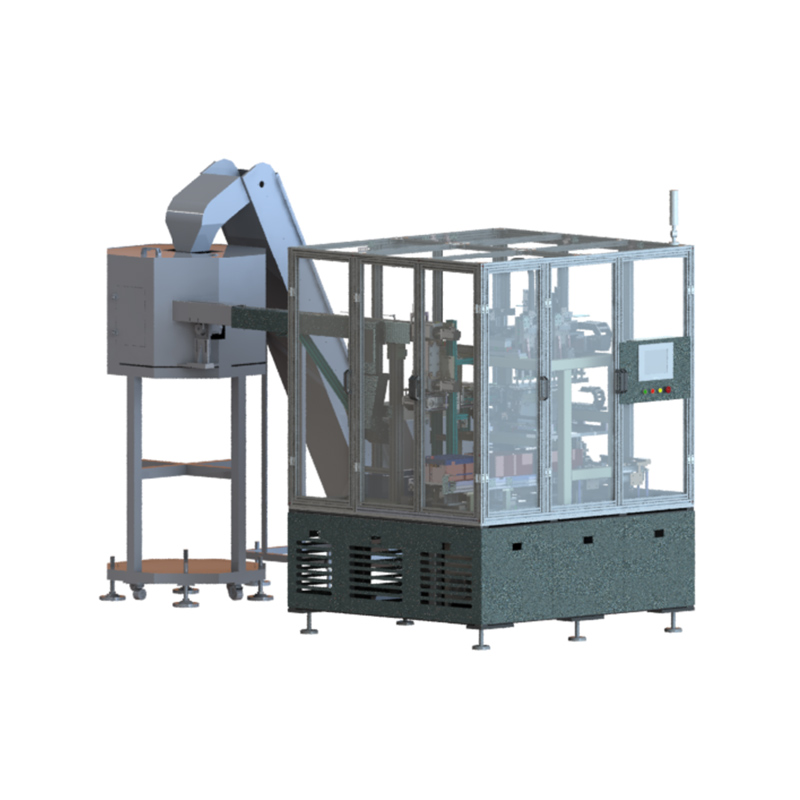
Manual handling of specimens has long been a cornerstone of laboratory operations. Technicians manually sort, label, and route specimens, which not only consumes valuable time but also introduces the potential for human error. Mislabeling, incorrect sorting, and mishandling can lead to diagnostic inaccuracies, posing significant risks to patient safety. The integration of automatic tube sorters addresses this critical issue by automating the pre-analytical phase. Utilizing advanced barcode scanning and machine vision technologies, these sorters accurately identify and classify specimens, virtually eliminating the risk of human error. A study demonstrated that laboratories employing automatic tube sorters experienced a 90% reduction in specimen identification errors. This substantial decrease not only enhances diagnostic accuracy but also builds trust with healthcare providers and patients.
Moreover, automatic tube sorters facilitate consistent application of laboratory protocols. They ensure that each specimen follows the correct path through the laboratory process, whether it's routing to specific analyzers or storage areas. This precision is particularly crucial in high-stakes testing environments, such as oncology or infectious disease diagnostics, where timely and accurate results are essential. By minimizing manual intervention, laboratories can uphold stringent quality standards, reinforcing their commitment to excellence in patient care.
The growing demand for laboratory services, driven by an aging population and the prevalence of chronic diseases, has placed immense pressure on laboratory throughput. Manual sorting processes cannot keep pace with the influx of specimens, leading to bottlenecks and delayed results. Automatic tube sorters offer a solution by significantly increasing processing speed. Capable of handling thousands of specimens per hour, these machines streamline operations and reduce turnaround times.
For instance, a case study involving a metropolitan hospital's laboratory revealed that after implementing an automatic tube sorter, the facility increased its processing capacity by 50%. Turnaround times for routine tests decreased from an average of 6 hours to just 2 hours, enabling faster clinical decision-making. This efficiency gain not only improves patient outcomes but also enhances the laboratory's ability to manage peak workloads without compromising quality. The capacity to rapidly process high volumes of specimens is particularly beneficial during public health crises, such as pandemics, where testing demands surge unexpectedly.
Furthermore, improved throughput contributes to the laboratory's financial performance. By increasing the number of specimens processed without proportionally increasing labor costs, laboratories can enhance revenue streams and justify investments in advanced technologies like automatic tube sorter for lab settings. This economic advantage is a compelling argument for laboratories considering automation to remain competitive in the healthcare industry.
Efficient workflow is the backbone of any successful laboratory operation. Traditional manual sorting requires significant human resources, often diverting skilled technicians from more critical tasks. This misallocation can lead to decreased productivity and employee dissatisfaction due to repetitive, mundane duties. Automatic tube sorters alleviate this issue by automating the initial sorting and routing of specimens, freeing up personnel to focus on specialized analytical work that requires their expertise.
In a survey conducted by the International Federation of Clinical Chemistry and Laboratory Medicine, laboratories that implemented automation reported a 30% reduction in time spent on pre-analytical tasks. This reallocation of time allows staff to engage in complex analyses, research initiatives, and quality improvement projects. Additionally, automation can contribute to better staff morale by reducing the physical strain associated with manual sorting, such as repetitive motion injuries.
From an operational standpoint, optimizing workflow through automation leads to streamlined processes with fewer interruptions and delays. Automatic tube sorters integrate seamlessly with Laboratory Information Systems (LIS), ensuring that specimen data is accurately transmitted and updated in real-time. This connectivity enhances communication across departments, minimizes the risk of lost or delayed specimens, and supports a collaborative laboratory environment focused on efficiency and accuracy.
Specimen traceability is a critical component of laboratory operations, underpinning the reliability of test results and compliance with regulatory standards. Manual tracking methods are susceptible to errors and inconsistencies, posing risks to both patient safety and laboratory accreditation. Automatic tube sorters enhance traceability by providing precise tracking of each specimen from arrival to disposal.
These systems utilize unique identifiers, such as barcodes or RFID tags, to monitor specimen movement. The data collected is integrated into the laboratory's information management systems, creating a comprehensive audit trail. This level of traceability is essential for investigations in the event of a discrepancy, enabling laboratories to quickly identify and rectify issues. Furthermore, real-time tracking facilitates proactive management of specimens requiring immediate attention, such as critical or STAT samples.
Inventory management is another area where automatic tube sorters provide significant benefits. By monitoring tube utilization, laboratories can optimize their inventory levels, reducing wastage and ensuring that supplies are available when needed. Automated alerts for low stock levels or expired reagents help maintain uninterrupted operations. According to a report by Medical Laboratory Observer, laboratories adopting automated inventory management systems experienced a 20% reduction in inventory costs, attributable to decreased overstocking and waste.
Regulatory compliance is mandatory for laboratory operations, with agencies such as the Clinical Laboratory Improvement Amendments (CLIA) and the College of American Pathologists (CAP) setting stringent guidelines. Compliance involves meticulous documentation, adherence to standardized procedures, and regular quality control assessments. Automatic tube sorters contribute significantly to meeting these requirements by standardizing specimen handling processes and providing detailed records.
Automated systems minimize variations in specimen processing, ensuring that each sample is handled consistently according to predefined protocols. This uniformity is critical for maintaining the integrity of test results and upholding quality standards. Additionally, automatic tube sorters generate comprehensive logs and reports, which are invaluable during audits and inspections. These records demonstrate compliance with regulatory standards and support continuous quality improvement efforts.
An example of the impact on compliance is evident in a laboratory that implemented an automatic tube sorter and subsequently achieved ISO 15189 accreditation. The automation of pre-analytical processes was a key factor in meeting the accreditation criteria, as it provided evidence of controlled procedures and traceability. The laboratory also reported a 25% reduction in deviations related to specimen handling, highlighting the effectiveness of automation in maintaining compliance.
The field of laboratory automation is continuously evolving, with automatic tube sorters at the forefront of technological innovation. Recent advancements have focused on integrating artificial intelligence (AI) and machine learning to enhance performance. AI algorithms enable sorters to learn from data patterns, improving accuracy in sample identification and handling over time. For example, AI can detect subtle differences in tube types or identify damage that would be missed by conventional systems.
Additionally, advancements in sensor technology have improved the precision of tube sorters. High-resolution imaging and advanced recognition software allow for quicker and more accurate sorting. Integration with robotics has also expanded capabilities, enabling automated loading and unloading of specimens, further reducing manual intervention. These technological enhancements contribute to creating a more interconnected and efficient laboratory environment.
The development of modular automatic tube sorter systems offers laboratories flexibility in scaling their operations. Modular designs allow for the addition of new components or functionalities as the laboratory's needs evolve, ensuring that the investment remains relevant over time. This adaptability is particularly valuable in laboratories experiencing rapid growth or changes in testing requirements.

Looking ahead, the trajectory of laboratory automation points toward increased integration and intelligence. The convergence of technologies such as IoT, AI, and robotics will lead to smart laboratories where equipment communicates and collaborates autonomously. Predictive analytics may anticipate equipment maintenance needs, while AI could optimize workflows in real-time based on specimen load and priority.
Personalized medicine and precision diagnostics are also driving the need for advanced automation. As testing becomes more specialized and data-intensive, laboratories will require systems capable of handling complex samples and vast amounts of data efficiently. Automatic tube sorters will evolve to meet these demands, offering greater flexibility and adaptability.
Moreover, sustainability considerations are becoming increasingly important. Future automatic tube sorters may incorporate energy-efficient designs and recyclable materials, aligning with broader environmental goals. Laboratories adopting such technologies will contribute to global sustainability efforts while potentially reducing operational costs associated with energy consumption.
In an era where accuracy, efficiency, and speed are critical in laboratory operations, automatic tube sorters emerge as a transformative solution. They address common challenges by reducing manual errors, enhancing throughput, optimizing workflow, improving traceability, and ensuring regulatory compliance. The integration of automatic tube sorter for lab applications is not merely a technological upgrade but a strategic move toward excellence in patient care and operational performance.
As laboratories navigate the complexities of modern healthcare demands, embracing automation will be paramount. The long-term benefits, including economic advantages and improved staff utilization, make a compelling case for investment. Moreover, as technological advancements continue to shape the future of laboratory science, those adopting automation early will be better positioned to adapt and thrive.
Ultimately, automatic tube sorters represent more than just machinery; they embody the evolution of laboratory practices toward greater precision, efficiency, and innovation. By solving critical problems inherent in manual processes, they enable laboratories to fulfill their essential role in advancing medical science and delivering high-quality patient care.


